How Long The Walk To The Emerald Lakes Takes From Mangatepopo
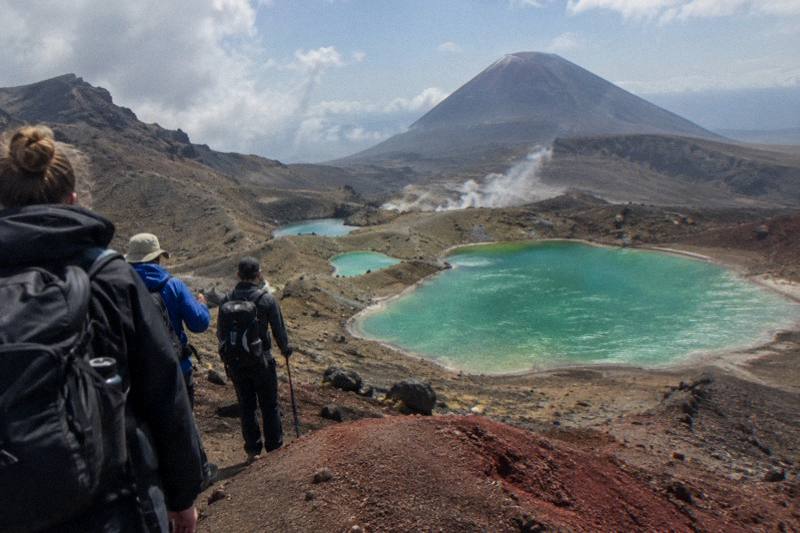
DOC puts the full Tongariro Alpine Crossing at 7 to 8 hours of walking from November to April and 9 hours from May to October. The Emerald Lakes sit late on that timeline, just after the Red Crater high point at 1886 metres, so most of the day's climbing is behind you when the lakes come into view.
Short answer
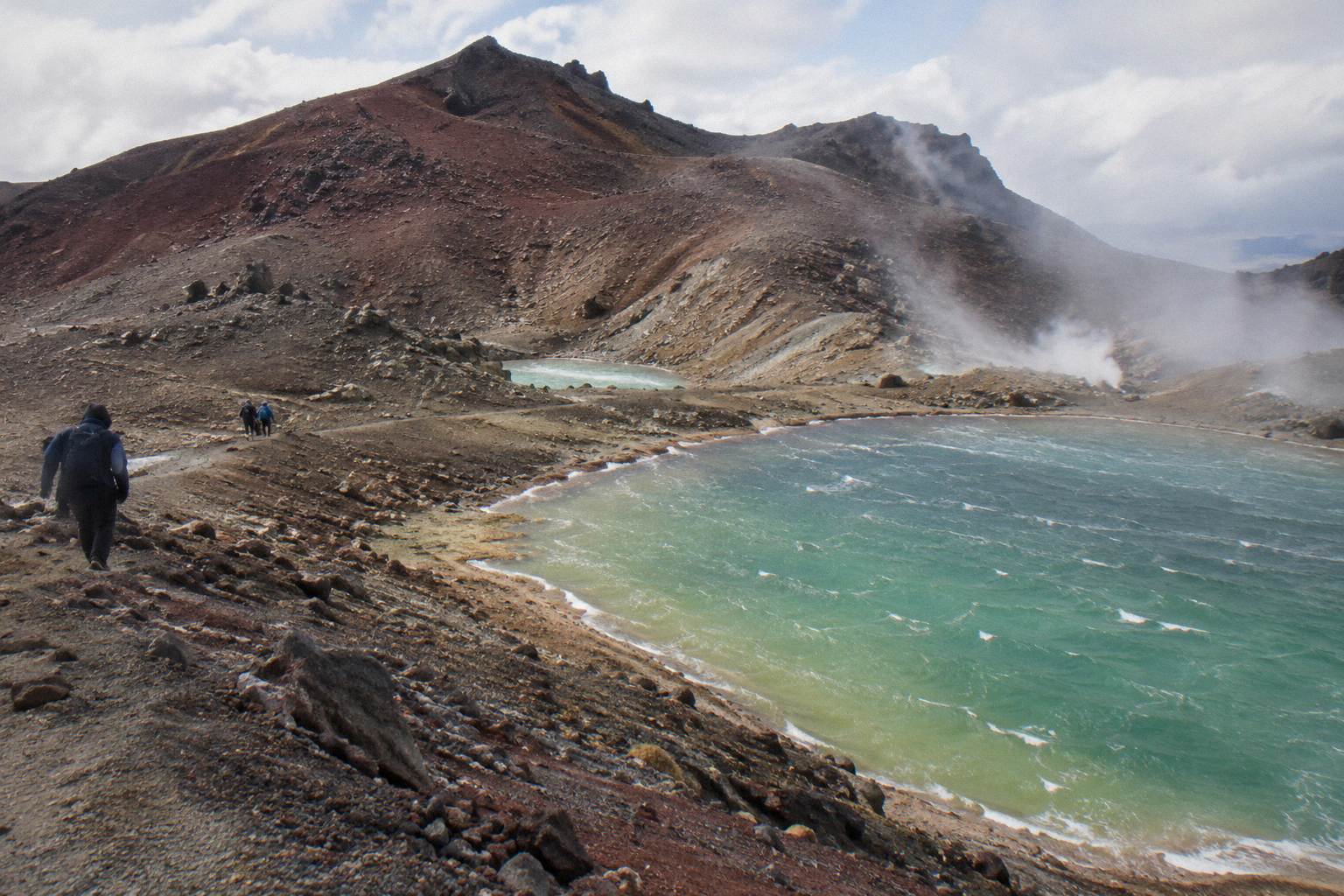
DOC's band for the whole Crossing is 7 to 8 hours of walking in the November to April season and 9 hours from May to October, over 20.2 km one way with 1196 m of elevation change. The Emerald Lakes sit after Red Crater, the 1886 m high point, roughly two thirds of the distance from the Mangatepopo start.
For the wider context of the route itself, see the guide to the Emerald Lakes on the Tongariro Crossing.
| Fact | Figure | Source |
|---|---|---|
| Full track length | 20.2 km one way | DOC |
| Elevation change | +/-1196 m | DOC |
| Highest point | Red Crater, 1886 m | DOC |
| Walking time, November to April | 7 to 8 hours | DOC |
| Walking time, May to October | 9 hours | DOC |
| Fitness grading | High | DOC |
| Track classification | Intermediate (summer), Expert route May to Oct | DOC |
| Position of the Emerald Lakes | After the Red Crater descent | DOC |
How Long Is The Tongariro Crossing End To End?
End to end, the Tongariro Alpine Crossing runs 20.2 km one way, and DOC's official walking estimate is 7 to 8 hours between November and April, or 9 hours between May and October, with an elevation change of plus and minus 1196 metres. That figure covers walking time only, so a booked tour or shuttle day runs longer once transfers and time at either end are included.
The track runs one way, from Mangatepopo at about 1120 m up over Red Crater at 1886 m and down to finish near Ketetahi Road at roughly 760 m. Because it is one way, almost every walker solves transport before they solve timing: you either ride a shuttle to the start and walk back toward your vehicle at the Ketetahi end, or you start from accommodation and ride back at the finish. DOC's own Crossing page carries the time, distance and grading figures quoted here, and it is the page to recheck before any planned day, because conditions change the answer fast.
What the band quietly tells you is that this is a full day on your feet even in perfect summer weather. The 7 to 8 hour figure assumes steady movement with short stops. Add a longer rest at the Emerald Lakes, photographs at Red Crater, lunch somewhere sheltered, and the day stretches toward the top of the band or past it. Walkers who budget exactly 7 hours and nothing more are the ones caught walking the Ketetahi descent in the last of the light.
The booked products that cover this day run longer than the walking time, and that difference matters when you compare options. The Adrift Tongariro full-day guided Crossing is booked as a 9 hour day, and the Adrift Tongariro premium guided hike runs 8 to 9 hours as a booked day, both including transport and the guided experience, not 9 hours of pure walking. On the shuttle side, the Tongariro Crossing Shuttles round trip from National Park Village is booked as about an 8 hour package around a self-guided walk. Those are day lengths as sold; DOC's 7 to 8 hour band remains the honest walking figure.
Where Do The Emerald Lakes Sit On The Walking Day?
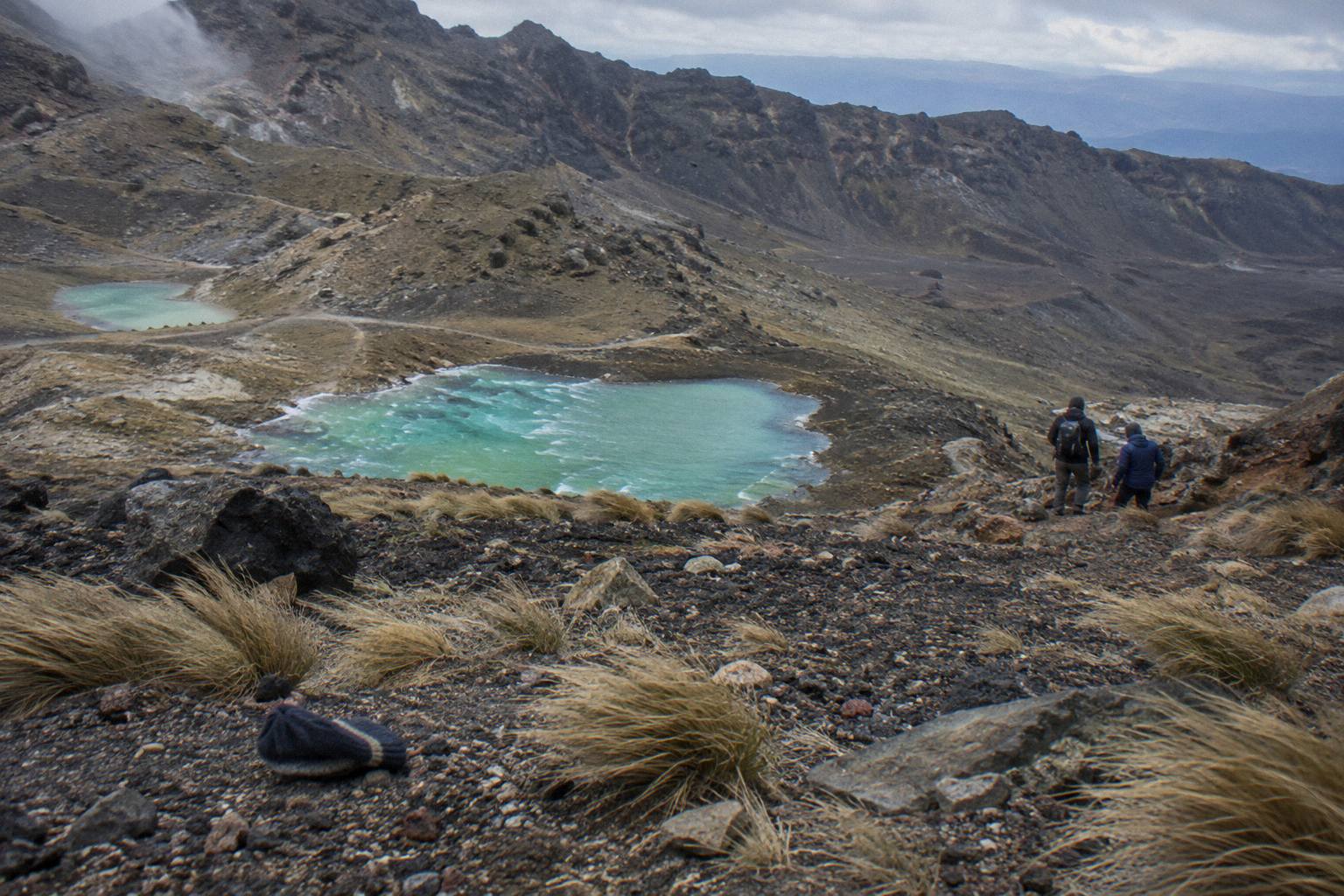
The Emerald Lakes sit after Red Crater, the 1886 m high point, reached by a steep scree descent DOC describes as the way down to the vivid Nga Rotopounamu, the Emerald Lakes. No verified figure exists for the Mangatepopo-to-lakes leg alone, and inventing one would mislead. What is verifiable is the shape of the day: the climb to Red Crater comes first, the lakes sit just beyond the summit, and the long Ketetahi descent fills the remainder.
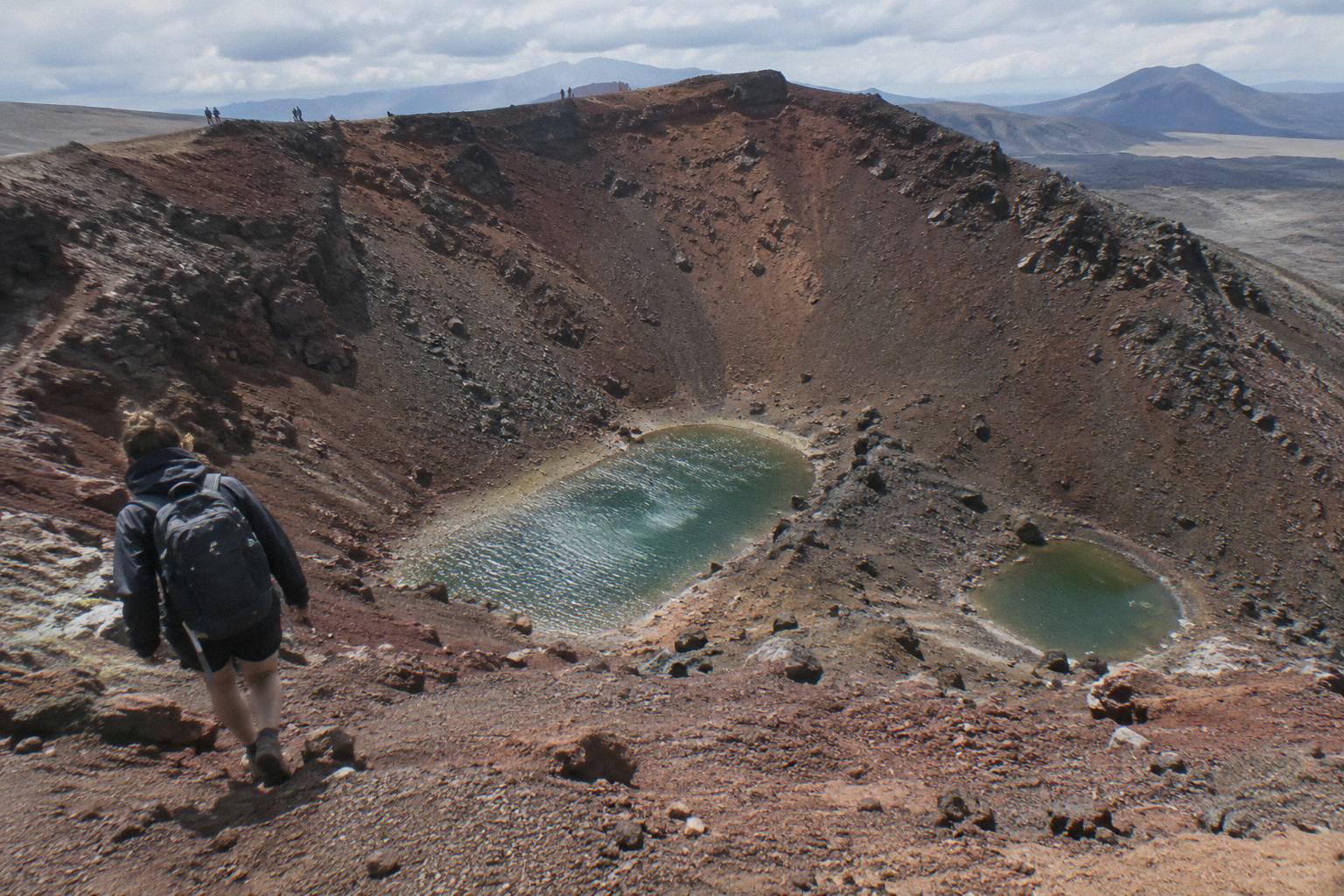
Practically, that means the lakes arrive once most of the day's climbing is done. The track rises from Mangatepopo across the saddle, up the Devil's Staircase, and across South Crater before the final pull to Red Crater. DOC's own description puts the lakes immediately after that high point on a steep scree slope, so by the time you stand above the water, you have covered the hardest ascending ground the track has. The remaining distance, the long gradual descent past Ketetahi, is easier ground but it still takes hours, and walkers who treat the lakes as the finish line consistently underestimate the back half of the day.
There is a cultural dimension to time spent at the lakes, too. Kaumatua Te Ngaehe Wanikau asks visitors to respect the maunga tapu by not touching or entering any of the waterways, including the alpine lakes. That is a request printed by DOC on the track's own page, and it shapes how long anyone should plan to linger: the lakes are a place to look at, photograph and pass, not a swimming stop. The guide to swimming in the Emerald Lakes covers that request in full.
For timing purposes, plan the lakes as a mid-to-late waypoint with a meaningful pause, not a destination with a return leg. Walkers heading to the lakes and beyond typically rest here because the sheltered ground below the crater gives the first real break since the saddle, and because the three pools and the steam of the volcanic ground make it the photographic heart of the track. A generous stop still leaves the bulk of the descent ahead.
How Do The DOC Time Bands Change With The Seasons?
DOC splits its walking time by season: 7 to 8 hours from November to April and 9 hours from May to October, over the same 20.2 km. The extra hour in the May to October band reflects snow, ice, avalanche risk and sub-zero temperatures, which is also when DOC grades the route Expert rather than intermediate and says alpine skills are essential and it is best to go with a guide.
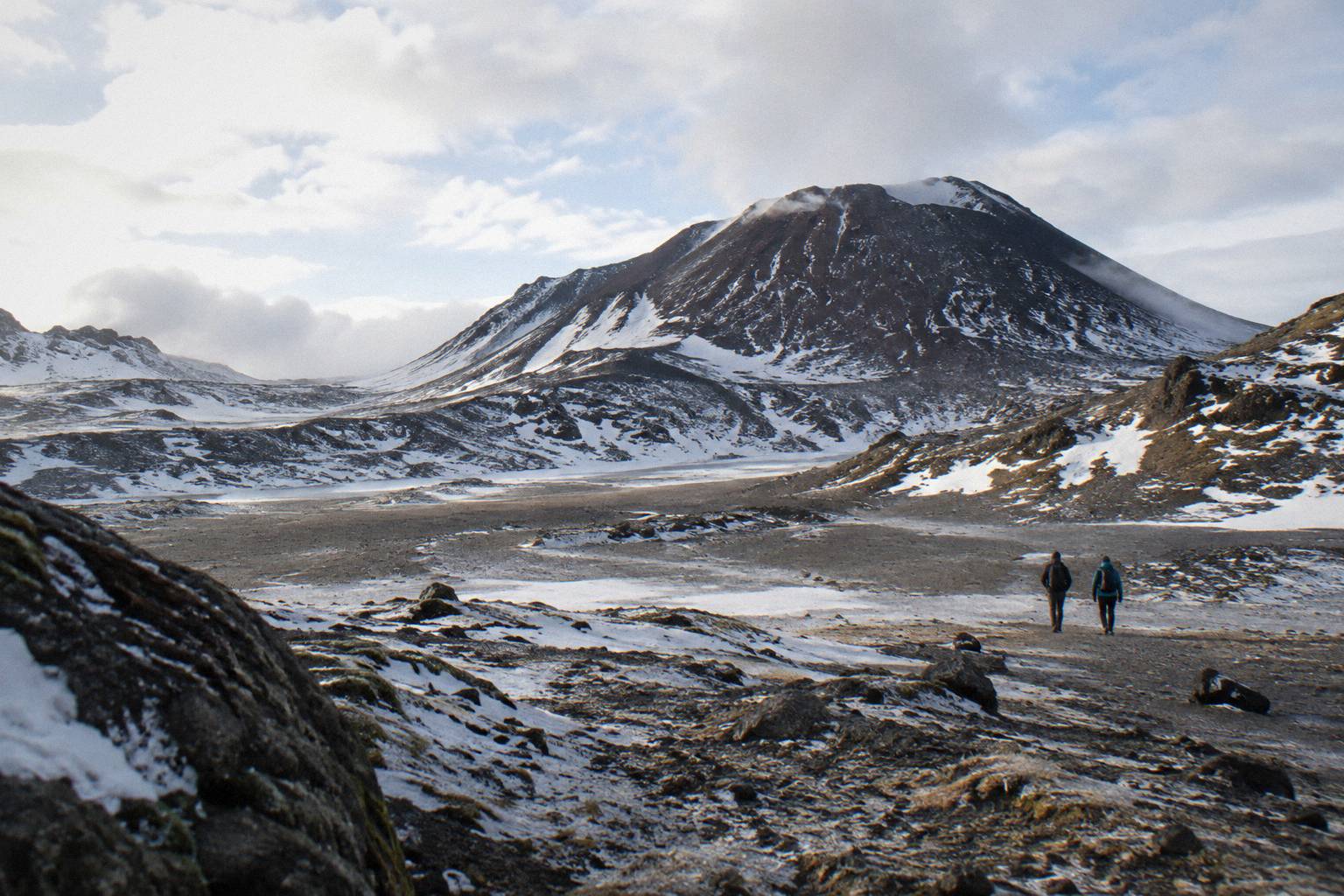
The seasonal split is not a small adjustment; it is a different walk. In summer the track is an intermediate tramping track with a High fitness grading, and the 7 to 8 hour band holds for most walkers who start early and keep moving. From May to October the same track becomes an Expert route: snow and ice cover the staircases and the Red Crater ridge, daylight shrinks to the 9 to 11 hours DOC notes for winter, and the consequences of a slow day grow because sub-zero temperatures wait for anyone benighted. The guide to winter snow at the Emerald Lakes works through what that season actually looks like above the lakes.
Winter is also when the guided question becomes sharp. DOC's wording is direct: alpine skills are essential and it is best to go with a guide. Adrift Tongariro runs the three guided tours on this site's pages, including the premium guided hike, from NZ$450 per person with free cancellation up to 14 days before, and crampons and ice axes are stated as supplied on those guided tours for winter conditions if required. Shuttles are a different matter: DOC says shuttle buses generally do not operate through winter, May to late October, so a winter walker planning around a shuttle day needs to check what actually runs before building a timeline around it.
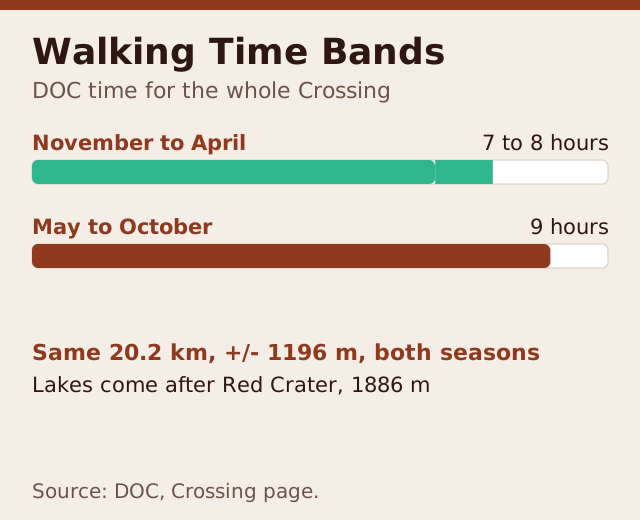
| Season | DOC walking band | Track grading | What changes |
|---|---|---|---|
| November to April | 7 to 8 hours | Intermediate, High fitness | Full track walkable, 4 hour parking limit at road ends in force |
| May to October | 9 hours | Expert route | Snow, ice, avalanche risk, 9 to 11 hours of daylight, guide recommended |
The shuttle-booking logic changes with the seasons as well. In the summer season, from Labour weekend in late October through 30 April, DOC imposes a 4 hour maximum on parking at the road ends and suggests booking a shuttle, which is why timed products like the Tongariro Crossing Shuttles round trip exist at all. Outside that window the parking pressure eases but the shuttle supply thins for the winter reasons above, so the seasonal time band and the transport plan have to be built together, not separately.
How Do Fitness And Conditions Change Your Personal Time?
DOC grades the Crossing's fitness demand as High, which means the 7 to 8 hour summer band assumes a walker with genuine stamina, not a casual stroller. Track conditions move the number more than fitness does on any given day: wind on the exposed ridges, scree on the Red Crater descent, and cloud on the saddles can each add an hour to a day that looked simple on paper. Plan to the top of the band, not the bottom.
The honest framing is that DOC publishes a band, not a personal prediction. A walker with High fitness moving well in settled weather can finish inside 7 hours. A walker of average fitness stopping to photograph the lakes, eat, and layer up against wind will land at the top of the band or beyond it. Neither is a failure; both are inside the published range. The mistake is planning a tight afternoon commitment around the optimistic end of a range that DOC itself publishes as a spread.
Conditions are the wildcard. The section over South Crater and up to Red Crater is exposed, and the steep scree descent DOC describes on the way to the Emerald Lakes is slow for anyone not used to loose ground, in both directions of the clock: fast on the way down if you are confident, achingly slow if you are not. Before any planned day, DOC's alerts, the GeoNet volcanic page, the NIWA Red Crater forecast and the MetService mountain forecast are the sources to check, and the guide to Crossing weather above the Emerald Lakes explains what each one tells you.
| Factor | Effect on time | Planning note |
|---|---|---|
| High fitness, settled weather | Finish near the bottom of the DOC band | Still plan stops at the lakes and lunch |
| Average fitness | Top of the band or beyond | An early start buys margin |
| Wind on exposed ridges | Adds time and effort | Assessed each morning; conditions allowing |
| Scree on the Red Crater descent | Slows the leg to the lakes | Poles help, footwear matters |
| Winter snow and ice | Adds an hour, DOC winter band applies | Guide recommended, alpine skills essential |
Footwear and clothing feed straight back into pace. The wrong shoes on volcanic grit and scree cost minutes on every section, and the guide to what to wear hiking to the Emerald Lakes is the companion read here. Nothing in the shuttle products covers gear; on the guided side, Adrift Tongariro states a clothing and footwear allowance on its guided tours, and lunch is not included on those days, so bring your own.
What Time Should You Start The Walk?
DOC and every operator in this space point the same direction: an early start. No specific departure time is published here, because shuttle timetables vary by product and daylight shifts across the year, but the arithmetic is fixed. A 7 to 8 hour walking day, plus a shuttle leg at each end in most plans, consumes nearly all usable daylight outside high summer, so the walk starts in the morning by necessity rather than preference.
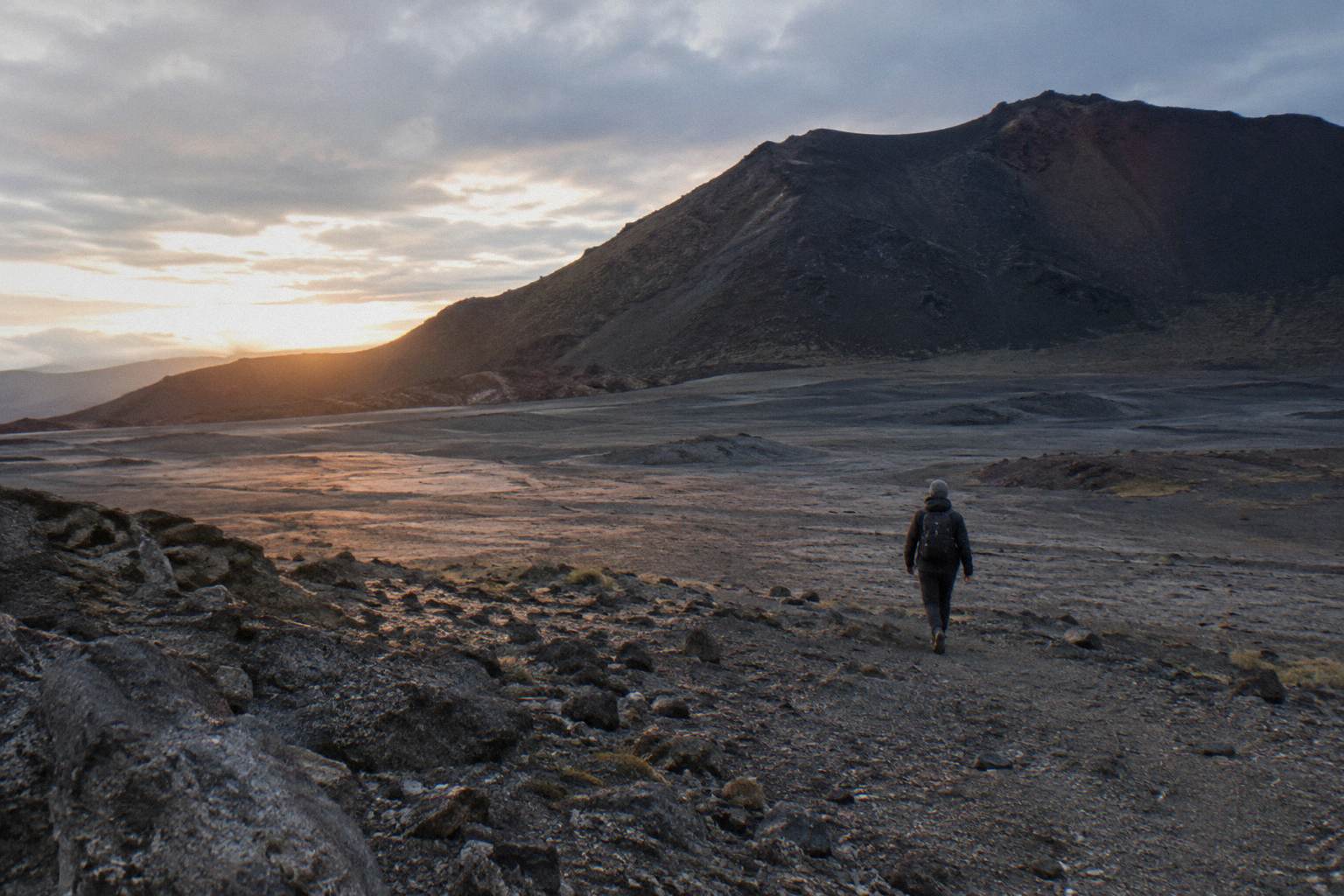
The reasons stack. First, the Red Crater ridge and the ground above the Emerald Lakes are more exposed and colder than the valley starts, and morning usually offers the most stable window before afternoon cloud builds. Second, the descent to Ketetahi is long and unrelenting on tired knees, and it is far better begun with hours of light in hand. Third, in the summer season the parking restriction, 4 hours maximum at the road ends from Labour weekend to 30 April, makes driving yourself to a leisurely start impractical anyway; DOC's suggestion is to book a shuttle, and the shuttles run to the walking day, not the other way around. The guide to a sunrise start on the Crossing covers the early-start case in detail.
The booked products encode the same logic. The Tongariro Crossing Shuttles round trip from National Park Village is sold as roughly an 8 hour package around the walk, rated 4.7 across 890 reviews, from NZ$75 per person with free cancellation up to 24 hours before. The Dempsey Buses return bus from National Park Village covers a similar walking window, from NZ$90 per person, rated 4.8 across 72 reviews. The Adrift Tongariro guided days begin from the base at 53 Carroll Street in National Park Village. Each of those day lengths is the booked duration, and each is built around walkers being on the track early and off it with margin. More of these guides are collected on Tongariro Emerald Lakes Hike.
For walkers starting farther afield, the same early-start logic applies with a longer front end. The Tongariro Expeditions Crossing shuttle from Taupo or Turangi is booked as an 8 to 10 hour day depending on the option, rated 4.7 across 431 reviews, from NZ$75 per person with free cancellation up to 24 hours before. The day is longer because the transfer is longer; the walking band inside it is unchanged.
How Do Shuttles And Parking Shape The Timing?
In the summer season, from Labour weekend in late October to 30 April, a 4 hour maximum applies to parking at the road ends and DOC says there is no parking for Crossing walkers at Mangatepopo car park in summer, with a private car park near Ketetahi. That restriction is the single biggest driver of how a walking day is timed: most walkers book a shuttle and let the shuttle's day set the start.
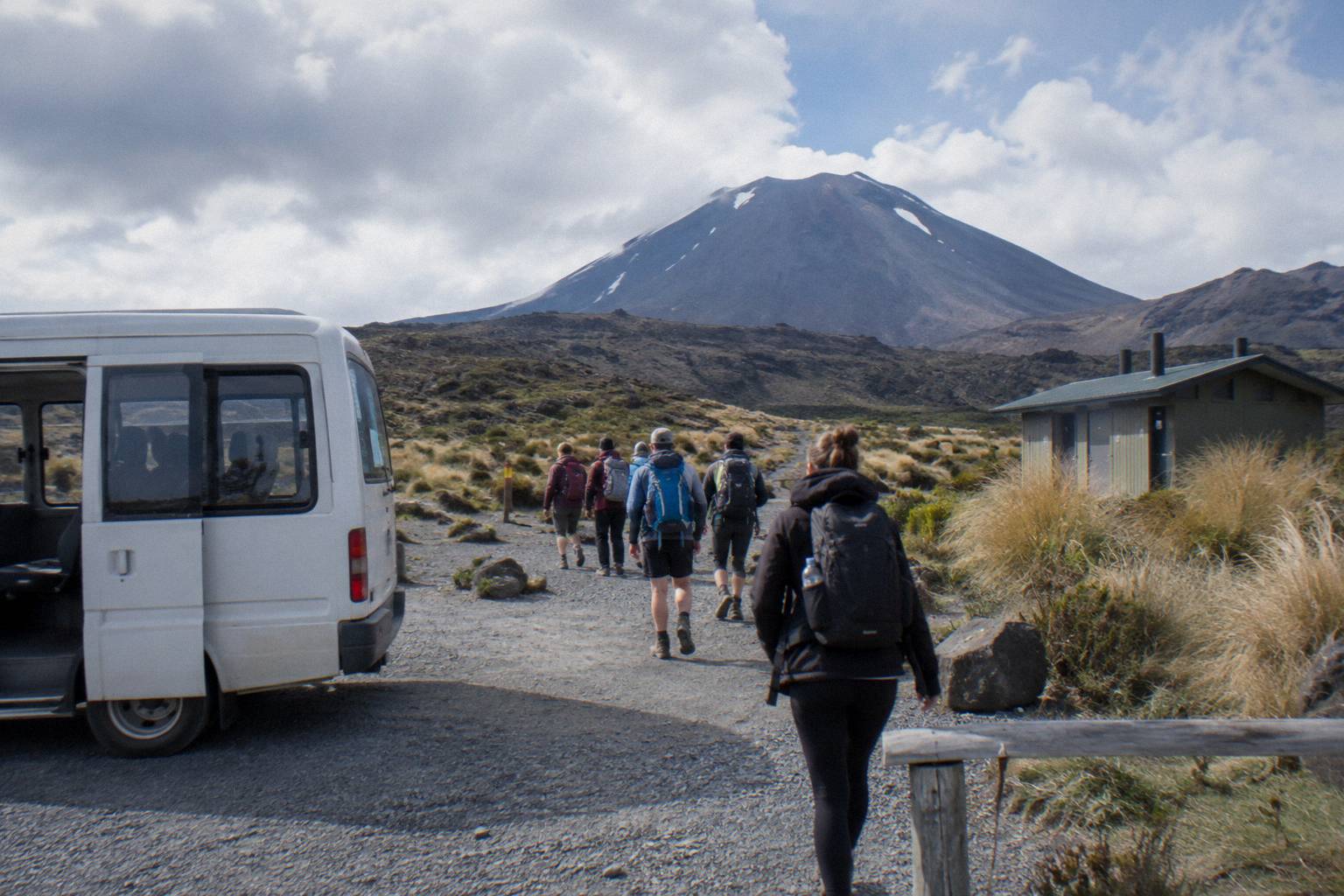
There are two broad shuttle patterns, and they produce different days. A round-trip shuttle, like the Tongariro Crossing Shuttles product from the Park n Ride at 59 Findlay Street in National Park Village or the Dempsey Buses options, takes you to Mangatepopo in the morning and collects you at the Ketetahi end in the afternoon; you never drive yourself at all. A one-way Ketetahi park-and-ride works the other way around: you park at the Ketetahi end, ride to Mangatepopo, and walk the Crossing back to your own car, with no return transport. The Ruapehu Scenic Shuttles Ketetahi park-and-ride is the pattern's most reviewed example here, rated 4.8 across 670 reviews, from NZ$68 per person with free cancellation up to 24 hours before, booked as an 8 hour day. The Tongariro Expeditions Ketetahi park-and-ride covers the same idea, rated 4.3 across 106 reviews, also with free cancellation up to 24 hours before. These are shuttles, not guided walks: the hike is self-guided in every case.
The distances are worth knowing when you choose a base, using DOC's figures: Whakapapa sits 10.4 km from the track area, National Park 13.5 km, Turangi 36.7 km, Ohakune 48 km and Taupo 86.5 km. Those numbers explain why National Park Village has the deepest shuttle supply, five departing products across guided and shuttle formats, while Taupo-based walkers face a longer day on any product and, as this site states plainly elsewhere, no Taupo-based guided day trip exists. The DOC Tongariro National Park pages carry the official track and access information behind all of this.
| Product | Pattern | Booked day | Rating and reviews | Price |
|---|---|---|---|---|
| Tongariro Crossing Shuttles round trip, National Park Village | Return shuttle | About 8 hours | 4.7 across 890 reviews | From NZ$75 |
| Dempsey Buses return bus, National Park Village | Return shuttle | See listing | 4.8 across 72 reviews | From NZ$90 |
| Ruapehu Scenic Shuttles Ketetahi park-and-ride | One-way shuttle, self-guided walk | 8 hours | 4.8 across 670 reviews | From NZ$68 |
| Tongariro Expeditions shuttle from Taupo or Turangi | Shuttle with transfer options | 8 to 10 hours | 4.7 across 431 reviews | From NZ$75 |
| Adrift Tongariro premium guided hike | Guided group hike | 8 to 9 hours | 4.6 across 242 reviews | From NZ$450 |
One cost worth knowing sits inside every shuttle fare: DOC says part of a shuttle fee, about NZ$40, goes to conservation. The DOC booking system itself is free and recommended, and it is needed for shuttle and guided products; the booking system page explains how it works.
What About Guided Days And Private Options?
Guided days are the three Adrift Tongariro products, and they time the day for you: the premium guided hike is booked as 8 to 9 hours from the National Park Village base, with pickups at Taupo, Turangi and Whakapapa available at a surcharge on private bookings. A guided day does not shorten the walk, DOC's band still governs the track, but it removes the timing decisions and adds alpine expertise that matters most in the May to October window.
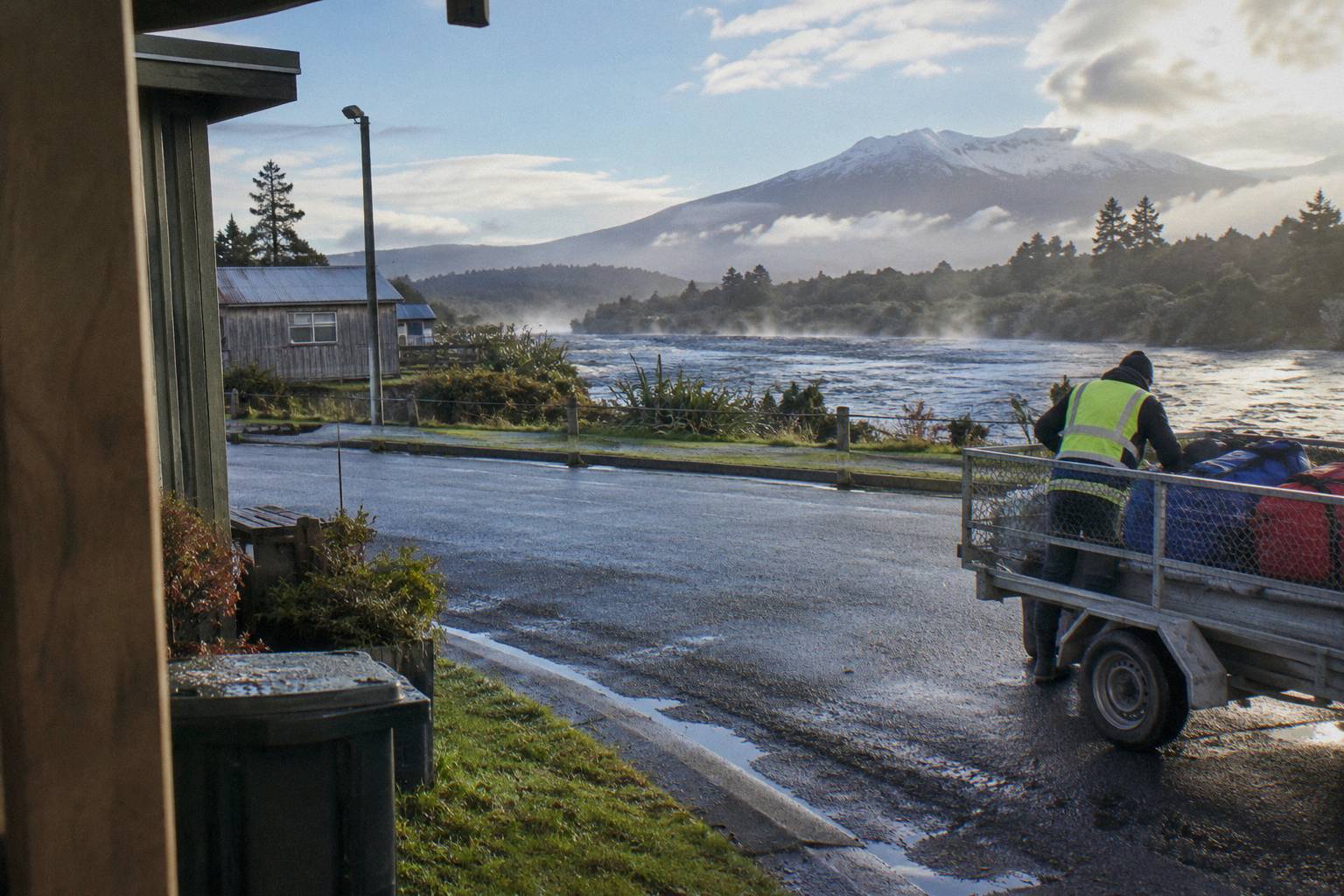
The premium guided hike, rated 4.6 across 242 reviews, from NZ$450 per person with free cancellation up to 14 days before, runs as a guided group day, and the booking page carries its age limits. The Adrift Tongariro private guided Crossing is the same track on a private basis, booked as 7 to 9 hours, rated 4.5 across 30 reviews, non-refundable, with no price printed here. Both supply crampons and ice axes if winter conditions require them, and on both you bring your own lunch. The question of whether that expertise is worth the fare is worked through in the guide to whether a guide is worth it for the Emerald Lakes section.
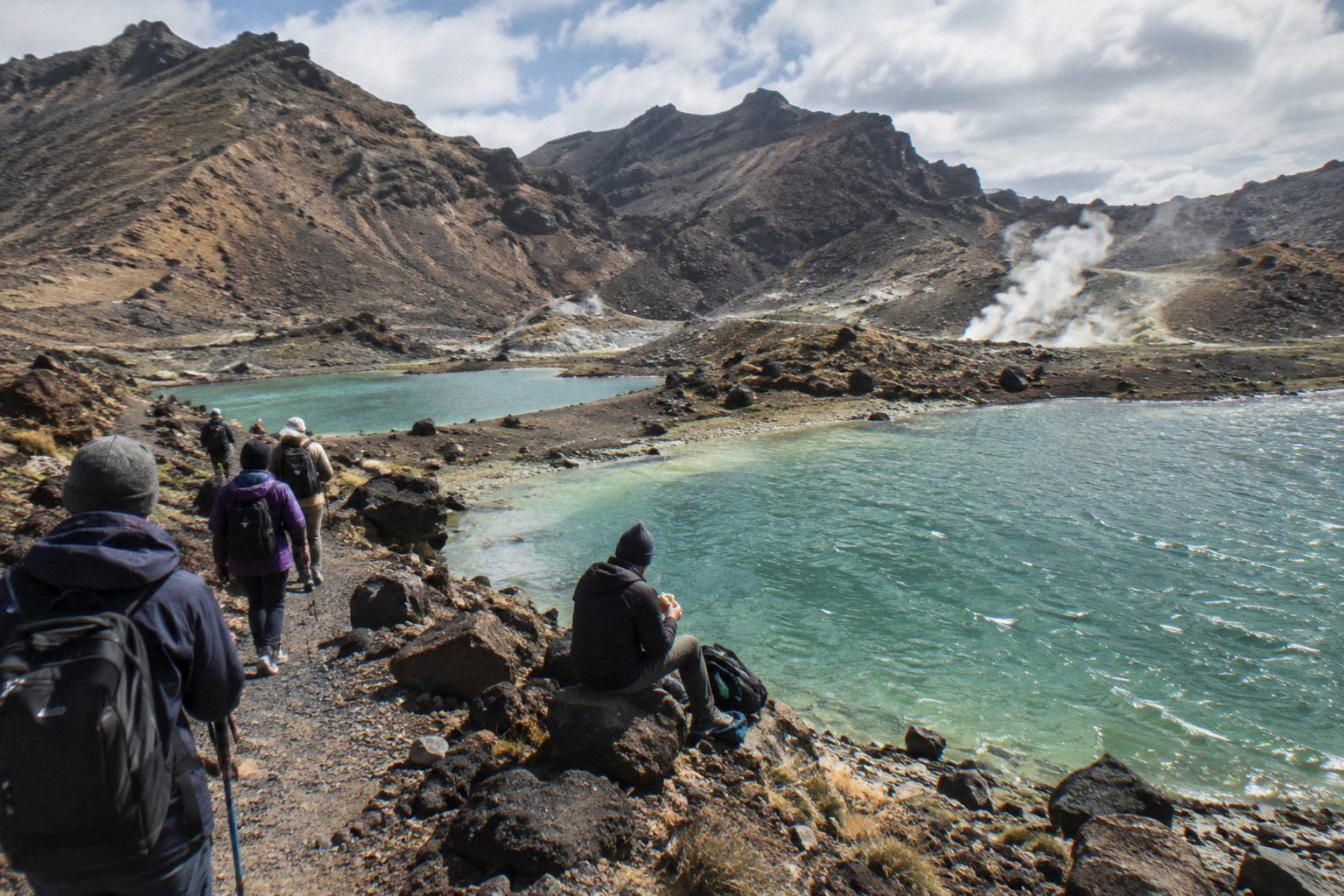
Two Auckland products frame the far end of the timing question, because they trade a single long day for an overnight or more. The Kiwi Road Tours private transfer from Auckland is a transfer over two booked days with the walk self-guided, and the ExperienceKart private three-day tour from Auckland includes the Crossing as one self-guided leg alongside Huka Falls and Lake Taupo. Neither is a guided Crossing tour, and Auckland is a long way from the mountain, so both exist precisely because the walking day cannot be stretched to absorb the drive.
What Mistakes Trip Up Time Planning?
The commonest timing mistakes are treating the Emerald Lakes as the end of the day, planning to the bottom of DOC's 7 to 8 hour band, ignoring the parking restriction in summer, and assuming shuttle-booking day lengths are walking times. Each mistake costs an hour or more, and on a one-way track with a shuttle collection at the far end, hours are not elastic.
The lakes problem deserves repeating because it catches so many first-timers. Standing above the three pools after Red Crater feels like a summit moment, and it is, but a long descent to Ketetahi remains, and that descent is where most of the day's blisters, knee pain and daylight pressure land. Budget the back half honestly and the whole day relaxes. The related guide to time spent at the Emerald Lakes on the Crossing looks at the stop itself.
| Mistake | Consequence | Fix |
|---|---|---|
| Planning 7 hours flat | Caught on the Ketetahi descent late | Plan to the top of the DOC band |
| Treating the lakes as the finish | Underestimates the remaining descent | Count the back half before you start |
| Driving to Mangatepopo in summer | 4 hour parking maximum, DOC says no walker parking there in summer | Book a shuttle or use a Ketetahi park-and-ride |
| Reading a booked day length as walking time | Confused comparisons between products | Compare booked day to booked day, walking band stays DOC's |
| Assuming winter runs like summer | Snow and ice add an hour, route is Expert | Check DOC, consider a guided day, conditions allowing |
A quieter mistake is comparing apples to oranges across products. A short shuttle leg, such as the Active Outdoor Adventures one-way shuttle from Ketetahi, is a transfer length, not a day length, and a 9 hour guided day is not 9 hours of walking. DOC's band is the only walking figure, and the roster's day lengths are what each product books. Keeping those two clocks separate is most of what accurate time planning on this track requires.
Common Questions About Walk Time To The Emerald Lakes
How Long Is The Tongariro Crossing?
DOC's walking band is 7 to 8 hours from November to April and 9 hours from May to October, over 20.2 km one way with plus and minus 1196 m of elevation change. Booked shuttle and guided days run longer because they include transfers; those day lengths belong to each product, not to the walk.
How Long Does It Take To Walk To The Emerald Lakes?
No verified figure exists for the Mangatepopo-to-lakes leg alone. What is verified is where the lakes sit: just after Red Crater, the 1886 m high point, reached by a steep scree descent. Most of the day's climbing is complete when the lakes appear, but the long descent to Ketetahi still remains.
Is The Walk Longer In Winter?
Yes. DOC gives 9 hours from May to October against 7 to 8 hours in summer, grades the winter route Expert, and says alpine skills are essential and it is best to go with a guide. Winter daylight runs 9 to 11 hours, which tightens the margin further.
Why Does Everyone Say To Start Early?
A 7 to 8 hour walking day plus shuttle legs at each end consumes most usable daylight, and the exposed ground above the Emerald Lakes is better crossed in the morning window. Summer parking limits, 4 hours maximum at the road ends, also push walkers onto shuttles that run to the walking day.
Does A Guided Tour Make The Walk Faster?
No. The track takes DOC's band regardless of who leads it. What a guided day changes is the timing decisions and the alpine expertise; the Adrift Tongariro premium guided hike is booked as an 8 to 9 hour day including transport, from NZ$450 per person.
Do I Have To Book The DOC System As Well As A Shuttle?
The DOC booking system is free and recommended, and it is needed for shuttle and guided products. It is separate from your shuttle or tour booking, so complete it when you lock in the walking day.