Is Tongariro Alpine Crossing Worth It?
An honest verdict on whether the Tongariro Alpine Crossing earns its reputation, with the verified numbers on distance, time, cost and the Emerald Lakes, plus which shuttle or guided tour suits which walker.
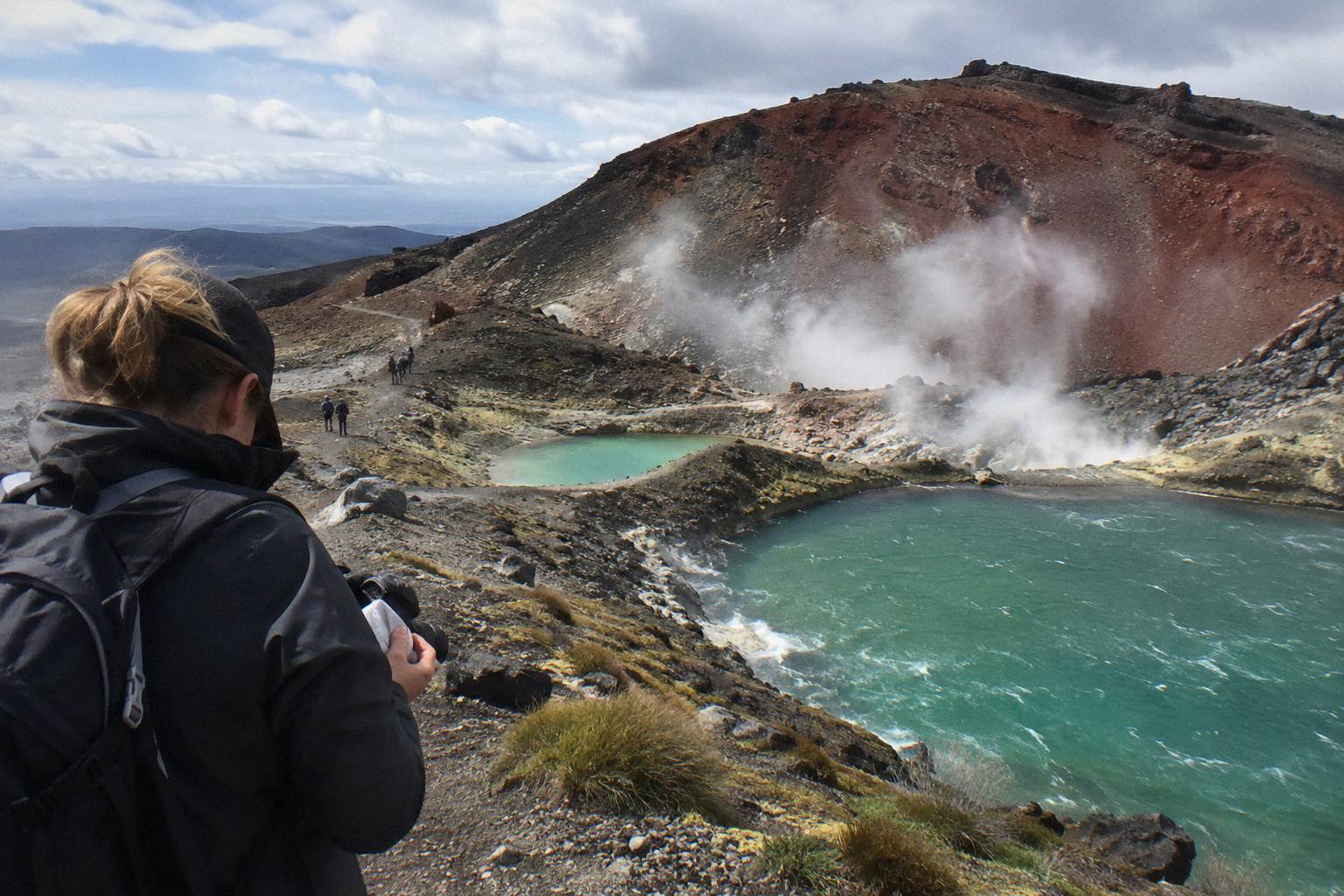
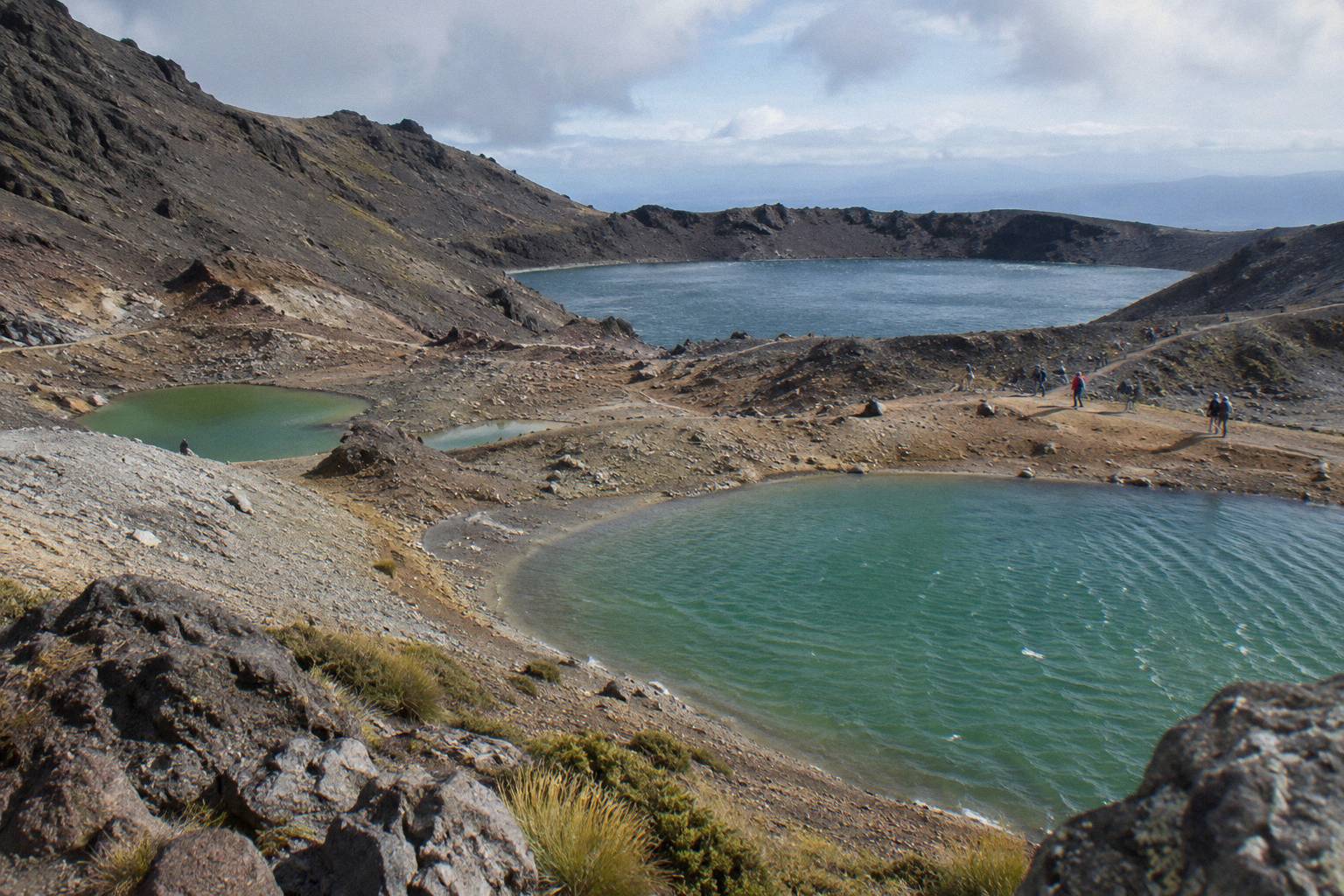
The short answer, for most people with a reasonable fitness base and a weather window: yes. The Department of Conservation (DOC) lists the Tongariro Alpine Crossing at 20.2 km one way with 1196 m of elevation change, a High fitness grading, and 7 to 8 hours of walking from November to April. What you get for that effort is a walk across the shoulder of an active volcano, past steaming vents, a red scoria crater at 1886 m, and the vivid Nga Rotopounamu, the Emerald Lakes, sitting in a basin below the descent. Very few single-day walks anywhere deliver that concentration of landscape.
That is the headline, but the honest verdict needs conditions attached. The walk is long, exposed and weather-dependent; DOC grades it an Expert route from May to October, when snow, ice and avalanche risk mean alpine skills and, in DOC's own words, it is best to go with a guide. Summer parking at the road ends is restricted to 4 hours from Labour weekend in late October through 30 April, so almost everyone arrives by shuttle or guided tour. And the day is not free of decisions: which end you start from, who drives you there, and whether you walk it alone or with a guide all change the experience and the price. This article works through each of those so the worth-it call is yours, made on real numbers rather than brochure enthusiasm.
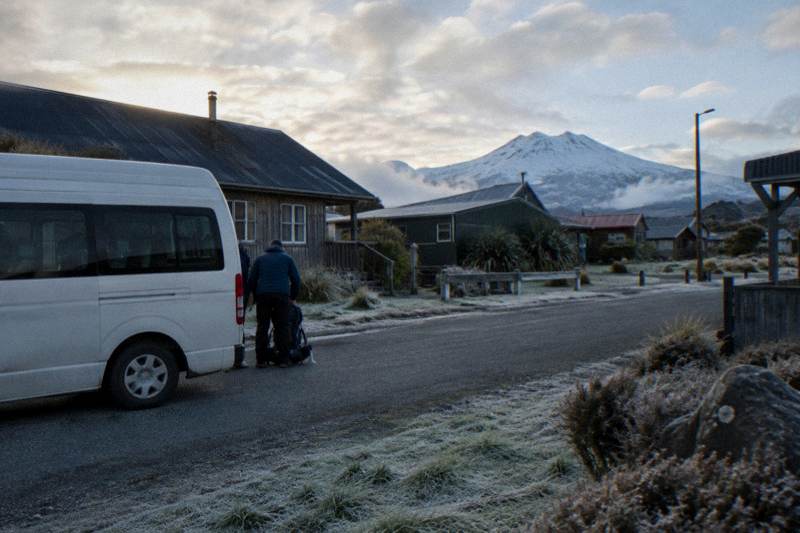
The trips that get people to the track are worth naming up front, because the verdict partly depends on which one you choose. Adrift Tongariro runs the three guided tours, including the Adrift Tongariro premium guided hike from NZ$450 per person. If you would rather walk independently, the Tongariro Crossing Shuttles round trip from National Park Village runs from NZ$75 per person, and the Ruapehu Scenic Shuttles Ketetahi park-and-ride covers the shuttle leg from NZ$68 per person. Further afield, Tongariro Expeditions runs a Crossing shuttle from Taupo or Turangi, and Dempsey Buses runs a return bus from National Park Village and another from Ohakune. There are also Auckland-based options: a Kiwi Road Tours private transfer, and an ExperienceKart private three-day tour whose Crossing leg is self-guided.
For the deeper route detail, the site's Tongariro Emerald Lakes Hike pages break the day into sections, and the guide on what the Emerald Lakes actually are covers the landscape that most people are really asking about when they ask whether the day is worth it.
For a reasonably fit walker on a good summer day, the Crossing earns its reputation: 20.2 km of continuously changing volcanic terrain ending at the Emerald Lakes. It is not worth it in poor weather, in winter without alpine skills or a guide, or for anyone who would find 7 to 8 hours of walking miserable rather than satisfying. The question is really about timing and honesty with yourself, not about the track.
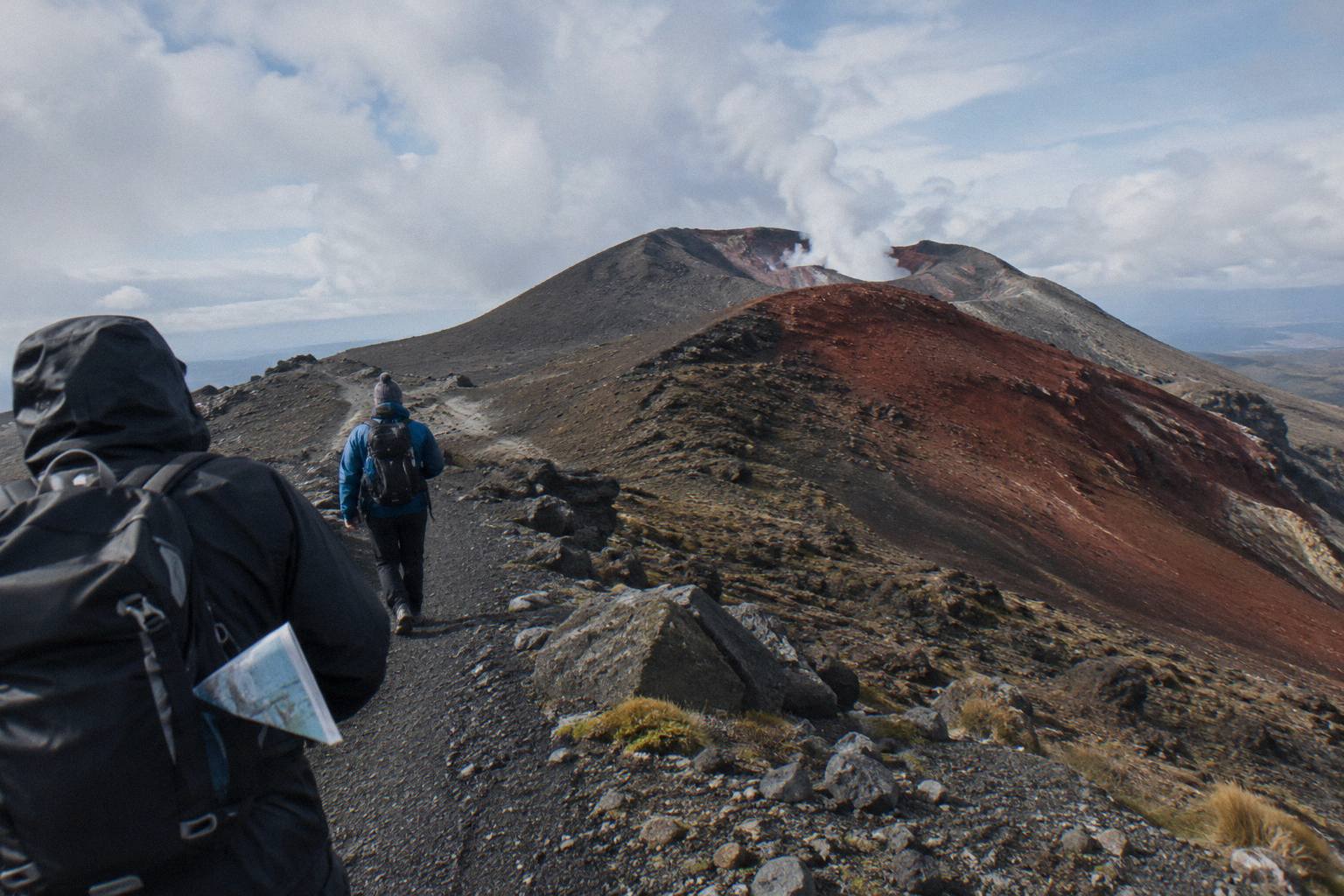
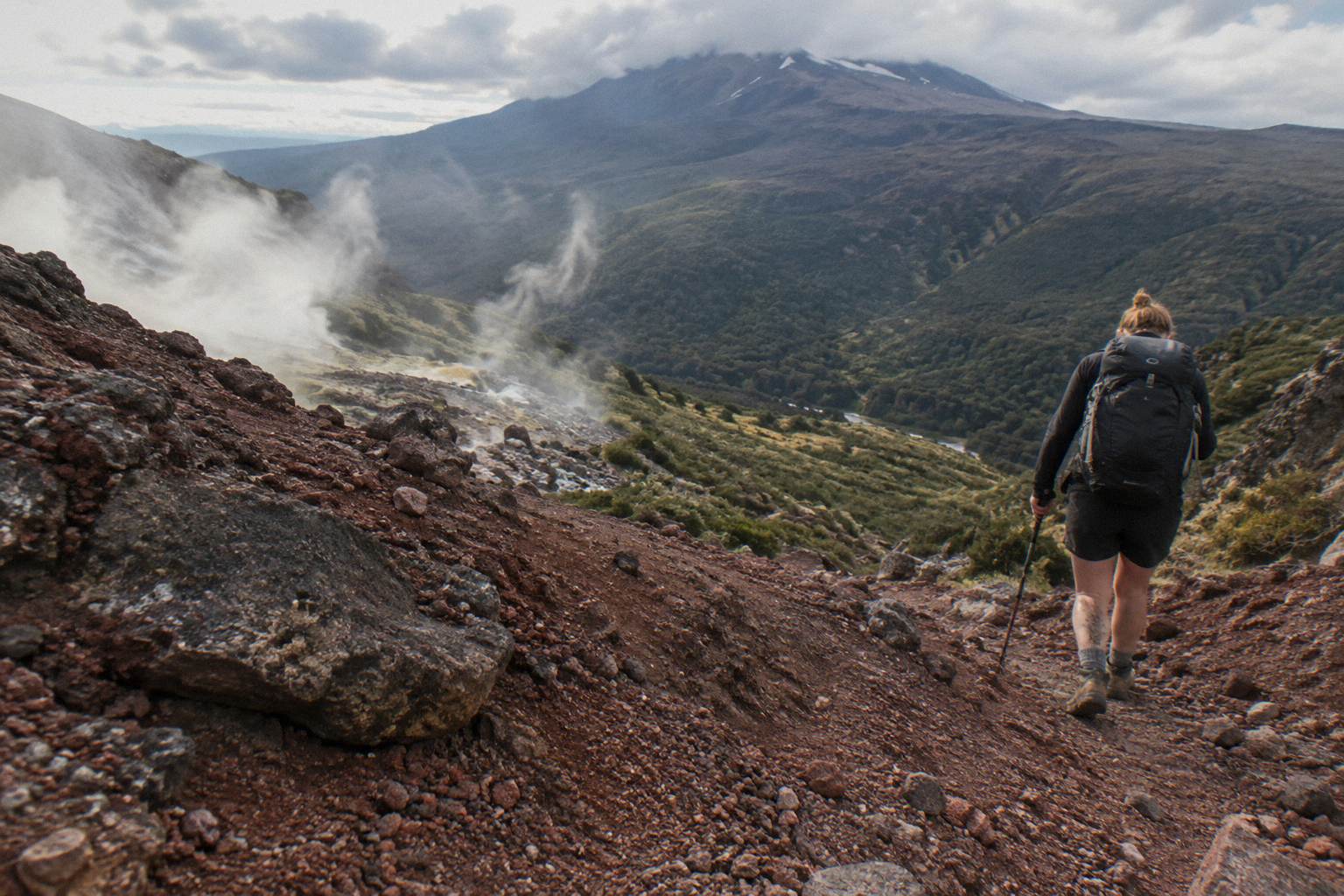
The case for yes is simple and it holds up. DOC calls Tongariro a dual World Heritage area, and the Crossing is the one day walk that crosses the heart of it. The track starts near Mangatepopo at about 1120 m and climbs past the Soda Springs, up the Devil's Staircase, and across South Crater to the Red Crater ridge at 1886 m, the highest point. From there DOC describes the steep scree descent to the vivid Emerald Lakes, and that descent is the moment most walkers remember years later: the ground gives way under your feet, the colour of the lakes sharpens with every step down, and the smell of sulphur confirms this is a living landscape. The Blue Lake and the Ketetahi valley views follow, and the finish at Ketetahi Road sits at about 760 m.
The worth-it argument is also about variety per kilometre. Many long day walks commit to one landscape and repeat it. The Crossing moves through at least six distinct zones in 20.2 km: tussock flats, old lava flows, a barren crater floor used as track, an exposed red ridge, mineral lakes in a steaming basin, and finally dripping podocarp forest with the Ketetahi hot springs steaming off to the side. The guide on the route and its distances maps the whole profile if you want to see where the climbing actually sits.
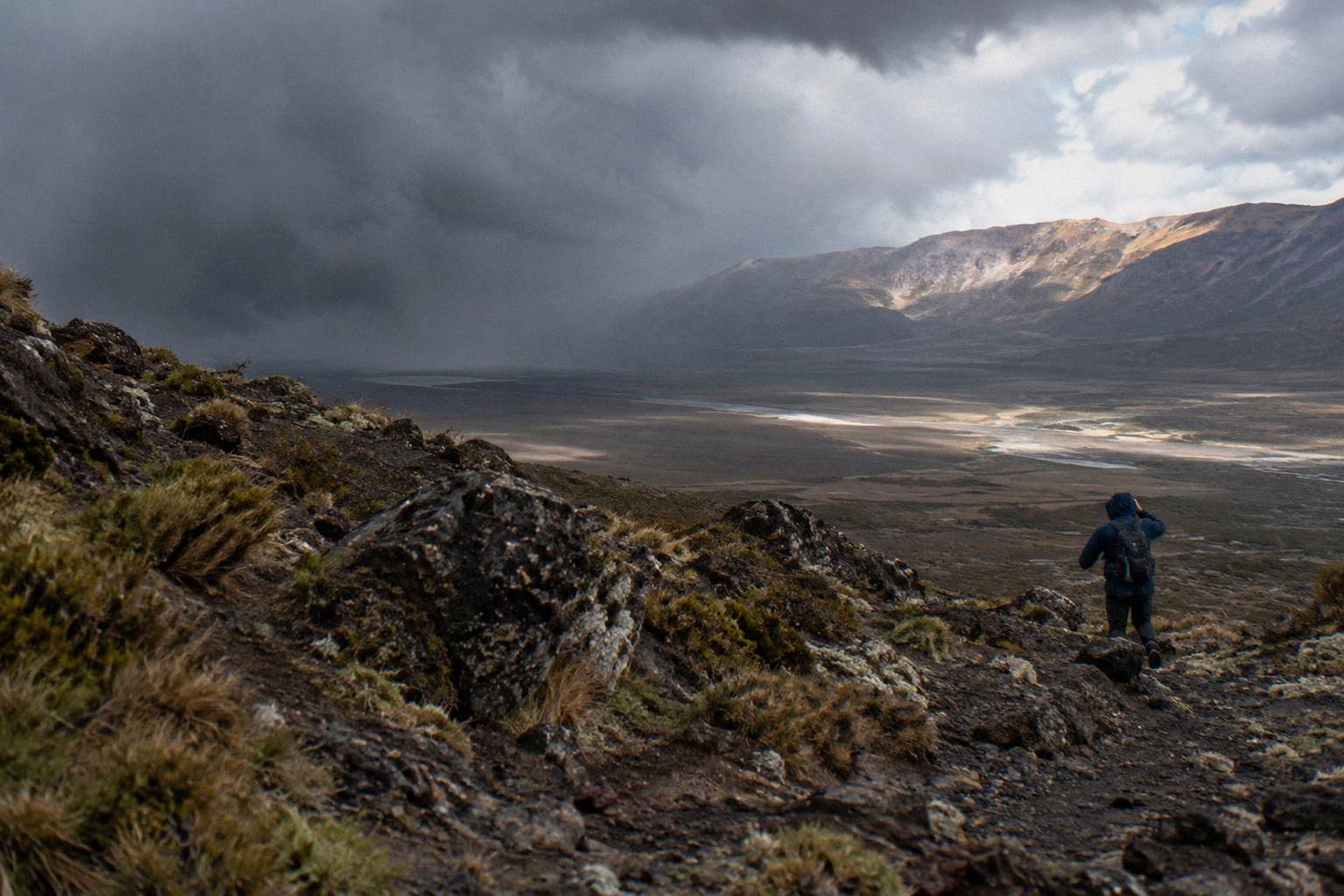
The case for "it depends" is just as real. The middle third of the walk, from the top of the Devil's Staircase to the Blue Lake, is fully exposed alpine terrain with no shelter and no exit shortcut. If the weather closes in, that section becomes genuinely unpleasant and, in bad conditions, dangerous. DOC and the guiding operators assess conditions each morning, and trips run only when the advisory and the forecast allow. A walker who ignores that and goes anyway to "get it done" is the one who writes the one-star review. The honest framing: the Crossing is worth it when you give it a flexible day, and it can be a bad day when you do not.
Between those two tours and the shuttle, the decision in the band above is the first real fork in your planning. The Adrift Tongariro premium guided hike and the Adrift Tongariro full-day guided Crossing both walk the full track with a guide from National Park Village; the round-trip shuttle from Tongariro Crossing Shuttles gets independent walkers to the start and back for from NZ$75 per person. Which fork suits you is the subject of the next sections.
How Hard Is The Day, Really?
DOC grades the Crossing High fitness in summer: 20.2 km one way, 1196 m of elevation change, and 7 to 8 hours of walking from November to April, or 9 hours from May to October. It is a solid but achievable day for anyone who walks hills regularly. The hardest single feature is the Devil's Staircase climb, and the most technically demanding ground is the scree around Red Crater.
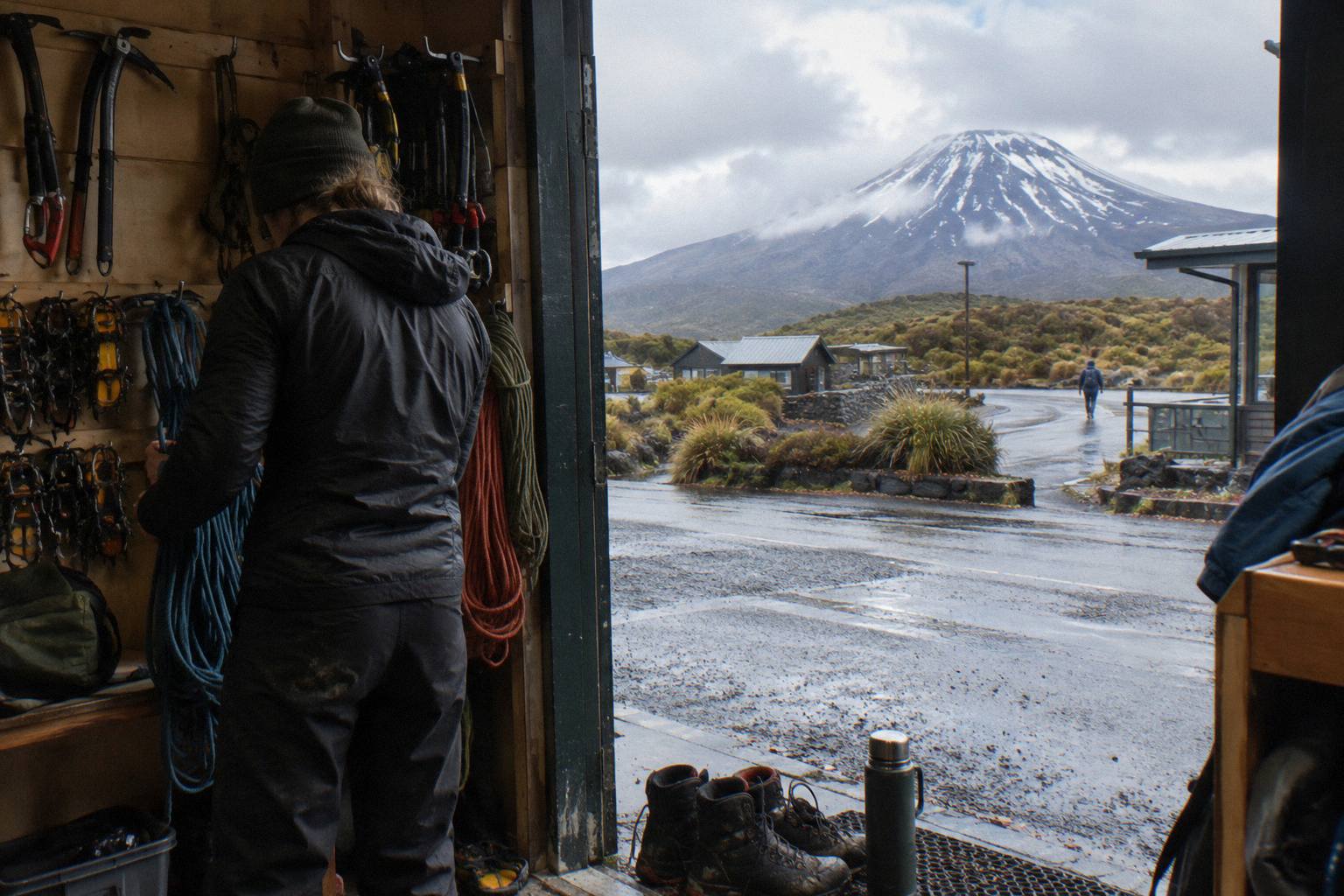
"Hard" on this track means three different things, and it helps to separate them. Endurance hard: 7 to 8 hours on your feet with a sustained climb in the first half, which is a matter of steady pacing, food and water. Terrain hard: the Devil's Staircase is a stepped, relentless push, and the Red Crater ridge and descent to the Emerald Lakes involve loose rock where a stumble has consequences, so poles and boots earn their place. Commitment hard: once you are past the Soda Springs there is no road, no shortcut and no shelter until the Ketetahi valley, roughly two thirds of the way. The fitness guide on preparing for the climb to the Emerald Lakes goes deeper on training.
Winter changes the answer completely. From May to October DOC grades the route Expert: snow, ice, avalanche risk and sub-zero temperatures, with alpine skills described as essential and a guide recommended. Crampons and ice axes are supplied, for winter conditions if required, on the Adrift Tongariro guided tours, alongside a clothing and footwear allowance; independent winter walkers need their own gear and the competence to use it. DOC's own winter essentials list for independent trips includes crampons, ice axe, helmet and avalanche equipment. If your question is "is it worth it in June without any of that", the answer is no, plainly.
If the difficulty description is making you lean toward a guide, the Adrift Tongariro premium guided hike is the tour to weigh first: guided from National Park Village, from NZ$450 per person, rated 4.6 across 242 reviews, with free cancellation up to 14 days before and pickups from Taupo, Turangi and Whakapapa available at a surcharge on private bookings. The private option, the Adrift Tongariro private guided Crossing, runs the same track with a guide to yourselves. Bring your own lunch on either: lunch is not included on Adrift tours.
What Does It Cost To Do The Crossing?
The walk itself has no track fee: DOC's booking system is free and recommended, and it is what you need in place to book a shuttle or guided trip. What you pay for is transport and expertise. Shuttle seats run from NZ$68 to NZ$120 per person depending on the product and start point, and the guided full Crossing is from NZ$450 per person. Auckland-based products are priced differently, so compare them with care.
| Trip | Operator | Type | Start point | Price per person |
|---|---|---|---|---|
| Premium guided hike | Adrift Tongariro Guiding | Guided full Crossing | National Park Village | from NZ$450 |
| Round-trip shuttle | Tongariro Crossing Shuttles | Shuttle, return | National Park Village | from NZ$75 |
| Return bus | Dempsey Buses | Shuttle, return | National Park Village | from NZ$90 |
| Crossing shuttle | Tongariro Expeditions | Shuttle, options from Taupo or Turangi | Taupo, Turangi or Ketetahi | from NZ$75 |
| Mountain shuttle | Backyard Tours | Shuttle from Turangi | Turangi | from NZ$120 |
| Ketetahi park-and-ride | Ruapehu Scenic Shuttles | Shuttle, one-way park-and-ride | Ketetahi car park | from NZ$68 |
Two reading notes on that table. The Ruapehu Scenic Shuttles product is a one-way park-and-ride, not a return: you park at Ketetahi, ride to Mangatepopo, and walk the Crossing back to your own car, rated 4.8 across 670 reviews with free cancellation up to 24 hours before. The Adrift tours that do not print a price above carry theirs on the booking page rather than here. And one cost that is not a price: DOC says part of a shuttle fee, about NZ$40, goes to conservation.
The cheapest way to reach the track among the products with printed fares is the one-way park-and-ride family; DOC's summer parking restriction, 4 hours maximum at the road ends from Labour weekend to 30 April, is exactly why these exist. The most reviewed tour here is a shuttle, not a guide: the Tongariro Crossing Shuttles round trip, 886 reviews rated 4.7. The most reviewed guided trip is the Adrift Tongariro premium guided hike, 241 reviews rated 4.6. Review counts matter more than the roundness of a star figure, which is why both are printed beside their ratings.
Auckland-based options answer a different question. The Kiwi Road Tours private transfer from Auckland is a two-day private transfer product in which the walk is self-guided, with 4 reviews so far. The ExperienceKart private three-day tour from Auckland bundles Huka Falls and Lake Taupo with the Crossing as one self-guided leg, is not suitable under 12, and is not a per-person fare. Neither is a guided Crossing tour, and comparing their prices with shuttle fares would mislead.
Is The Emerald Lakes Section Worth The Whole Walk?
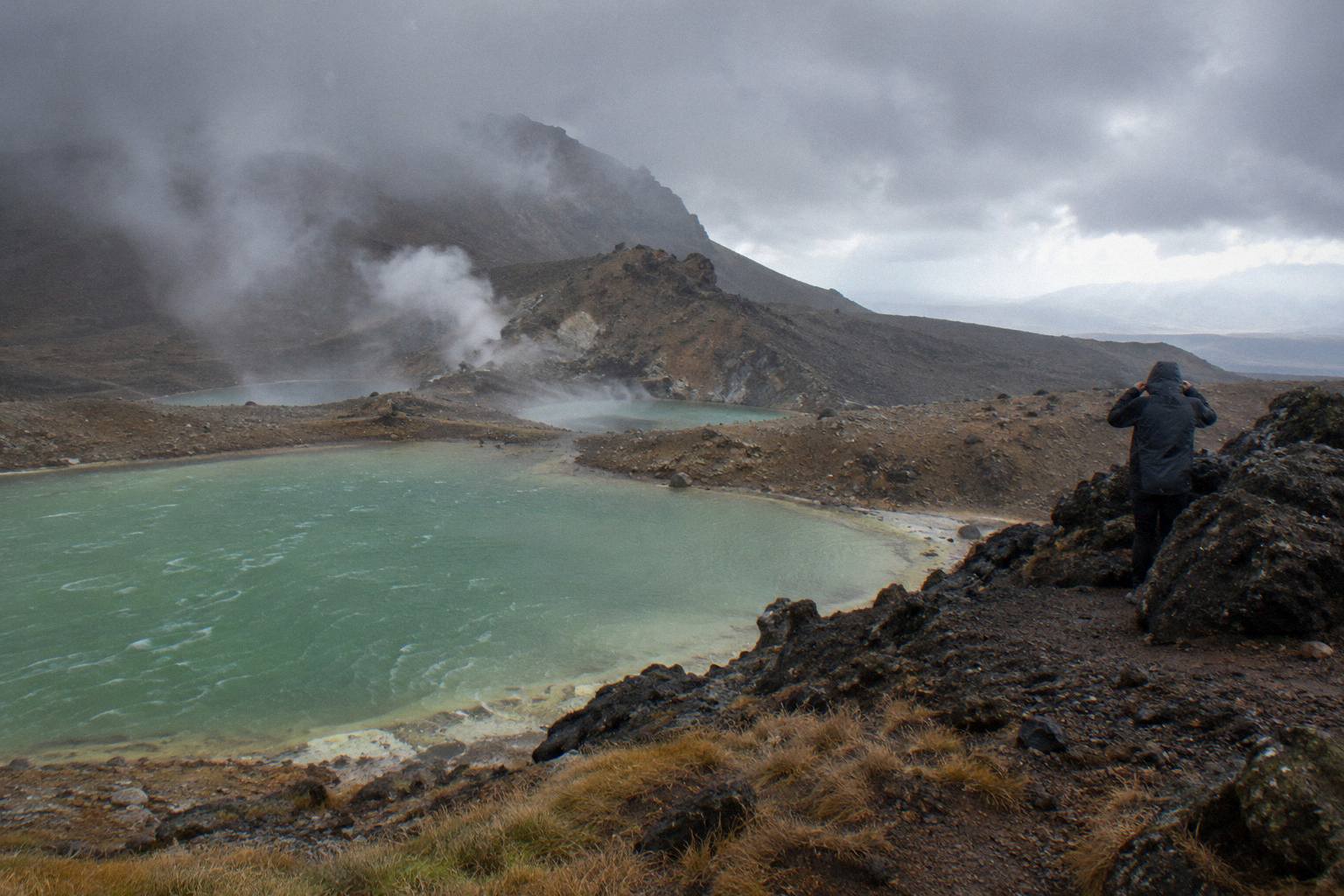
The Emerald Lakes basin is, for most walkers, the moment the day pays for itself: three mineral-coloured lakes in a steaming volcanic basin reached by a steep scree descent off the Red Crater ridge at 1886 m. The lakes are the visual payoff, but they sit roughly two thirds of the way along, so the honest answer is that the whole middle third is the show, and the lakes are its climax rather than a shortcut destination.
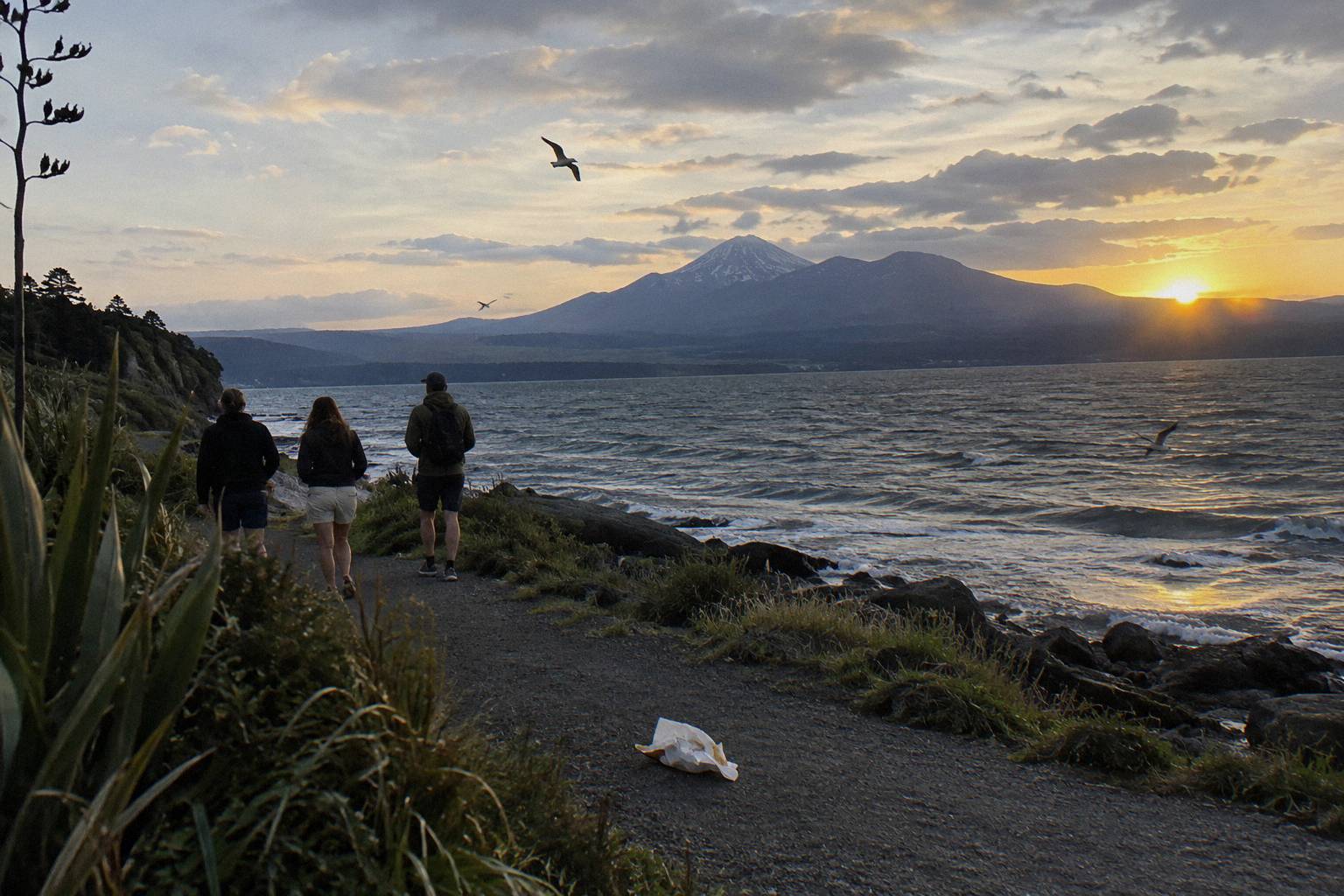
There is no road to the lakes and no short walk in. The walking time to the Emerald Lakes is a real chunk of the day's 7 to 8 hours, reached only after the Devil's Staircase and the South Crater crossing. That inaccessibility is precisely why the lakes are still vivid and why the request that comes with them matters: Ngati Hikairo ki Tongariro, through DOC, ask visitors to respect the sacred mountains by not touching or entering any of the waterways, including the alpine lakes. No swimming, no paddling, no filling bottles. The longer piece on swimming in the Emerald Lakes and tapu covers the cultural reasons, and the mountains are sacred to Ngati Hikairo ki Tongariro of Ngati Tuwharetoa, in New Zealand's oldest national park, established 1894.
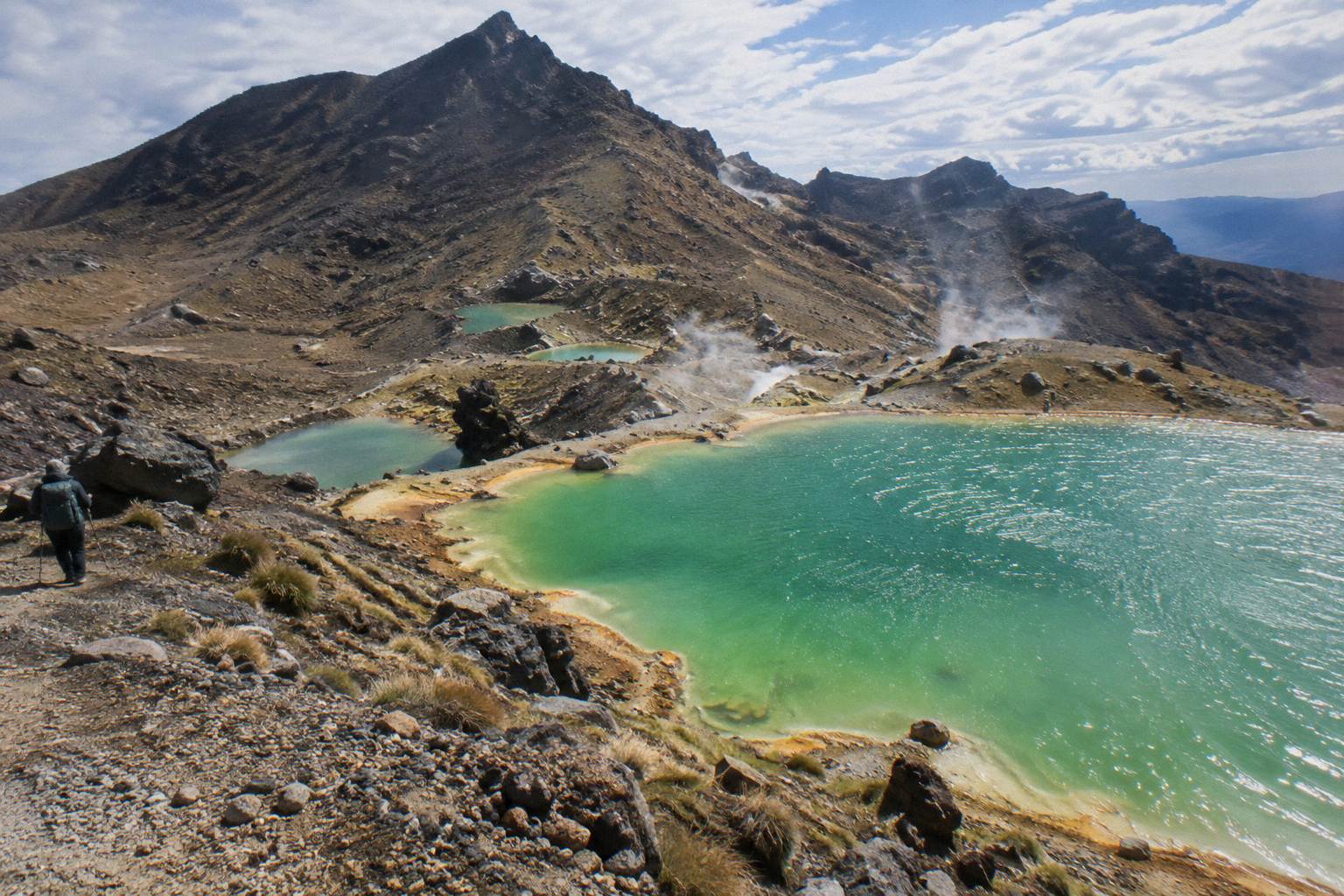
Practically, the lakes also work as the walk's natural lunch spot, out of the wind on the basin floor below the ridge. Budget real time there; the piece on how much time you need at the lakes makes the case that rushing the basin is the most common planning mistake on the track. Bring your own lunch regardless of whether you are guided, since lunch is not included on the Adrift tours either.
When Is The Crossing Not Worth It?
The honest no-cases are three: bad weather on an inflexible itinerary, winter without alpine skills or a guide, and a walker who would find the distance punishing rather than satisfying. DOC grades the route Expert from May to October with avalanche risk in play, and in poor summer conditions the exposed middle third turns the day into a march. In those cases DOC's own alternatives, Taranaki Falls and Tama Lakes, deliver a good day without the commitment.
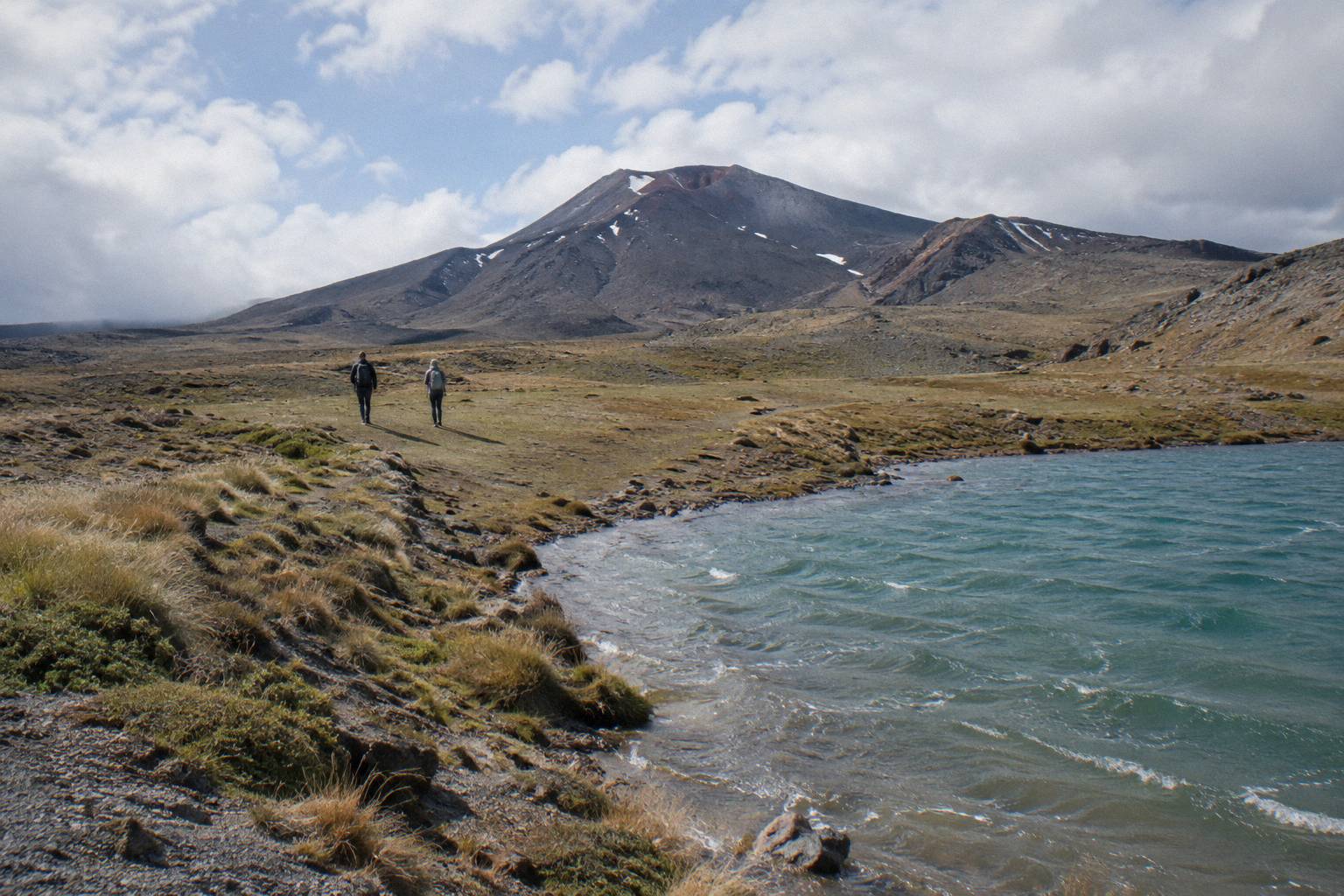
Weather is the first filter. The track's middle third is fully exposed alpine terrain with no shelter, and DOC, GeoNet and the NIWA advisory exist because conditions up there change fast and volcanic alert levels shift daily. Operators are bound by DOC rules not to run on hazardous-weather-warning days, which is why every shuttle and guided product on this page runs conditions allowing, and assessed each morning. If your itinerary allows one day only and that day turns bad, the answer is not to go anyway; it is Taranaki Falls or Tama Lakes, DOC's own named alternatives when the Crossing is out.
Season is the second filter. Winter, May to October, brings snow, ice, avalanche risk and sub-zero temperatures, and winter daylight is short: DOC puts it at 9 to 11 hours. DOC's advice in winter is direct: alpine skills are essential and it is best to go with a guide, which in practice means the Adrift Tongariro guided tours, since shuttle buses generally do not operate through winter while guided trips include transport. The guide on snow conditions at the Emerald Lakes covers what the track looks like under snow.
Honesty about yourself is the third. If 20.2 km with 1196 m of climbing is well beyond anything you have walked this year, the Crossing can still be worth it, but only with training time, and the difficulty of the hike to Emerald Lake piece helps you judge the gap. The reverse also holds: fit walkers who want solitude may find the summer track busy, and an early start is the standard mitigation, covered in the sunrise start guide.
Shuttle Or Guided Tour: Which Way Suits You?
Independent walkers with their own fitness and gear almost always choose a shuttle: from NZ$68 per person for a Ketetahi park-and-ride to NZ$90 for a National Park Village return bus. A guided tour, from NZ$450 per person with Adrift Tongariro, is worth the premium when the date is winter or marginal, when you want the volcanic and cultural storytelling, or when transport from Taupo, Turangi or Whakapapa needs solving too.
The shuttle logic is straightforward. In summer you cannot realistically park at the road ends, with the 4 hour maximum in force, so a shuttle is both the compliant and the convenient option. Round-trip products from National Park Village suit walkers staying there; the Tongariro Crossing Shuttles round trip runs from NZ$75 per person with 886 reviews rated 4.7, and the Dempsey Buses return bus, which excludes children under 6, runs from NZ$90 per person rated 4.8 across 72 reviews. From Taupo or Turangi, the Tongariro Expeditions Crossing shuttle covers both towns, from NZ$75 per person, rated 4.7 across 431 reviews, with free cancellation up to 24 hours before.
The Ruapehu Scenic Shuttles Ketetahi park-and-ride in the tile above is the most reviewed park-and-ride option, 670 reviews rated 4.8, from NZ$68 per person, and its one-way park-and-ride format means you finish the walk at your own car with no waiting for a collection. The same format exists from Owhango Adventures, Tongariro Expeditions, Tongariro Crossing Car Park, National Park Shuttles and two Active Outdoor Adventures products, all departing the Ketetahi car park; none of them is a return, and none is guided, so the walk itself is entirely yours.
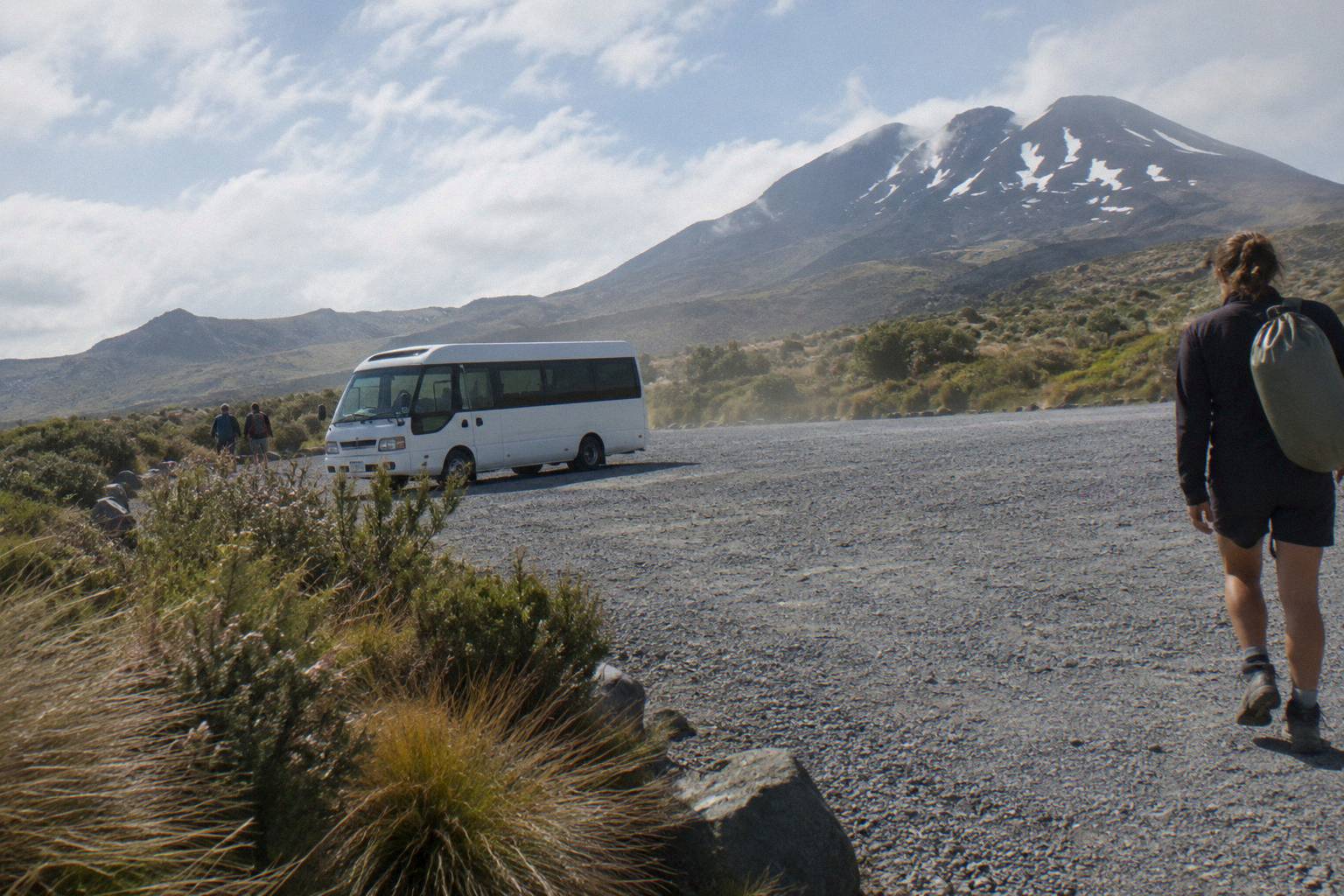
The guided logic is about the day, not just the ride. Adrift Tongariro runs the three guided tours, all departing 53 Carroll Street in National Park Village, all reaching the Emerald Lakes with a guide, all supplying crampons and ice axes for winter conditions if required. Beyond gear, a guide reads the volcanic landscape, explains the cultural significance of the maunga tapu, and makes the go-or-no-go call on marginal mornings, which is precisely the decision independent walkers find hardest. The premium guided hike runs 8 to 9 hours as a booked day, and has pickups from Taupo, Turangi and Whakapapa at a surcharge on private bookings. The full-day guided Crossing runs a 9 hour booked day rated 4.7 across 278 reviews and sets a minimum age of 12, and the private guided Crossing is non-refundable, rated 4.5 across 30 reviews; check the booking page for age limits on the premium and private tours. If the choice is still balanced, the guide on whether a guide is worth it for the Emerald Lakes section works through it in detail.
What Trips People Up On The Day?
The recurring mistakes are five: treating booked day length as walking time, skipping the DOC booking system, under-dressing for alpine conditions, planning to swim in or touch the lakes, and booking an inflexible itinerary with no spare day. Each is avoidable with ten minutes of planning, and each one is the difference between a worth-it day and a regretted one.
Booked duration is not walking time. The Adrift tours list 8 to 9 hour days, shuttles list about 8 hours, and a 35 minute shuttle leg is a shuttle leg; DOC's walking bands are 7 to 8 hours in summer and 9 in winter. Walkers who read a 9 hour tour as 9 hours of walking over-plan their evening. The DOC booking system is free and recommended, and it is what you need in place before a shuttle or guided booking, so start there; the official Crossing booking system page explains it directly.
Under-dressing is the most common gear error. Conditions on the high ground between the Devil's Staircase and the Blue Lake can be sub-zero even outside winter, and DOC's track page is blunt about the alpine grading. The pieces on what to wear hiking to the Emerald Lakes and dressing for the Crossing give full lists; the short version is layers, boots, and no assumption the forecast for Taupo holds at Red Crater. The NIWA advisory and MetService mountain forecasts exist for exactly that gap.
The lakes mistake is cultural rather than practical, and it is the easiest to avoid: do not touch or enter the waterways, including the alpine lakes. It is a request from kaumatua Te Ngaehe Wanikau, printed by DOC, and honouring it costs nothing. The itinerary mistake is structural: if the Crossing is the point of the trip, give it two possible days. A single fixed day converts every weather call into a gamble, and the Crossing weather guide explains how the morning assessment works.
Common Questions About The Tongariro Alpine Crossing
Is Tongariro Alpine Crossing Worth It?
For most walkers with reasonable fitness and a good weather window, yes: 20.2 km of continuously changing volcanic terrain ending at the Emerald Lakes is a day that justifies its reputation. It is not worth it in bad weather, in winter without alpine skills or a guide, or for anyone unprepared for 7 to 8 hours of walking with 1196 m of elevation change.
How Long Does The Walk Take?
DOC lists 7 to 8 hours of walking from November to April and 9 hours from May to October. Booked tour and shuttle durations, such as an 8 to 9 hour guided day, include transfers and the whole day out, not just time on the track.
Do You Have To Pay To Hike To The Emerald Lakes?
The track itself has no fee, and DOC's booking system is free. What you pay for is transport or a guide: shuttle seats from the printed fares run from NZ$68 per person, and the Adrift Tongariro premium guided hike is from NZ$450 per person.
Can You Swim In The Emerald Lakes?
No. Kaumatua Te Ngaehe Wanikau asks visitors to respect the maunga tapu by not touching or entering any of the waterways, including the alpine lakes. The request is printed by DOC, and the lakes are there to be looked at, not entered.
Do You Need A Guide For The Crossing?
In summer, no: fit, equipped walkers do it independently with a shuttle. From May to October DOC grades the route Expert, describes alpine skills as essential, and says it is best to go with a guide. A guide also adds the volcanic and cultural storytelling year-round.
Where Do You Start The Walk?
The track runs one way from Mangatepopo, the start, at about 1120 m, to Ketetahi Road, the finish, at about 760 m. Summer parking at the road ends is capped at 4 hours, so walkers arrive by shuttle or guided tour from points including National Park Village, the Ketetahi car park, Taupo, Turangi and Ohakune.
The verdict, condensed: the Tongariro Alpine Crossing is worth it for almost everyone who arrives fit, dressed for alpine conditions, with a shuttle or guide sorted through the free DOC booking system, and with the flexibility to take DOC's alternatives, Taranaki Falls or Tama Lakes, if the morning assessment says no. It is not worth forcing. Choose the product that matches your start point and confidence, give the lakes the respect they are asked for, and the day does the rest. For the official detail, the DOC Tongariro Alpine Crossing page is the source this article's numbers come from, and volcanic conditions are tracked daily by GeoNet's Tongariro volcano page.