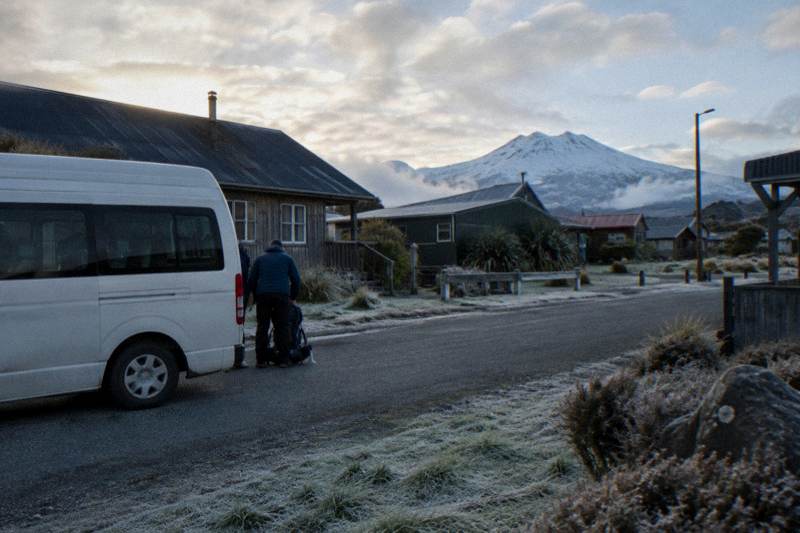
Is It Worth Hiking To The Emerald Lakes?
An honest look at whether the Emerald Lakes on the Tongariro Alpine Crossing justify the 20.2 km day, the climb to Red Crater and the early shuttle start.
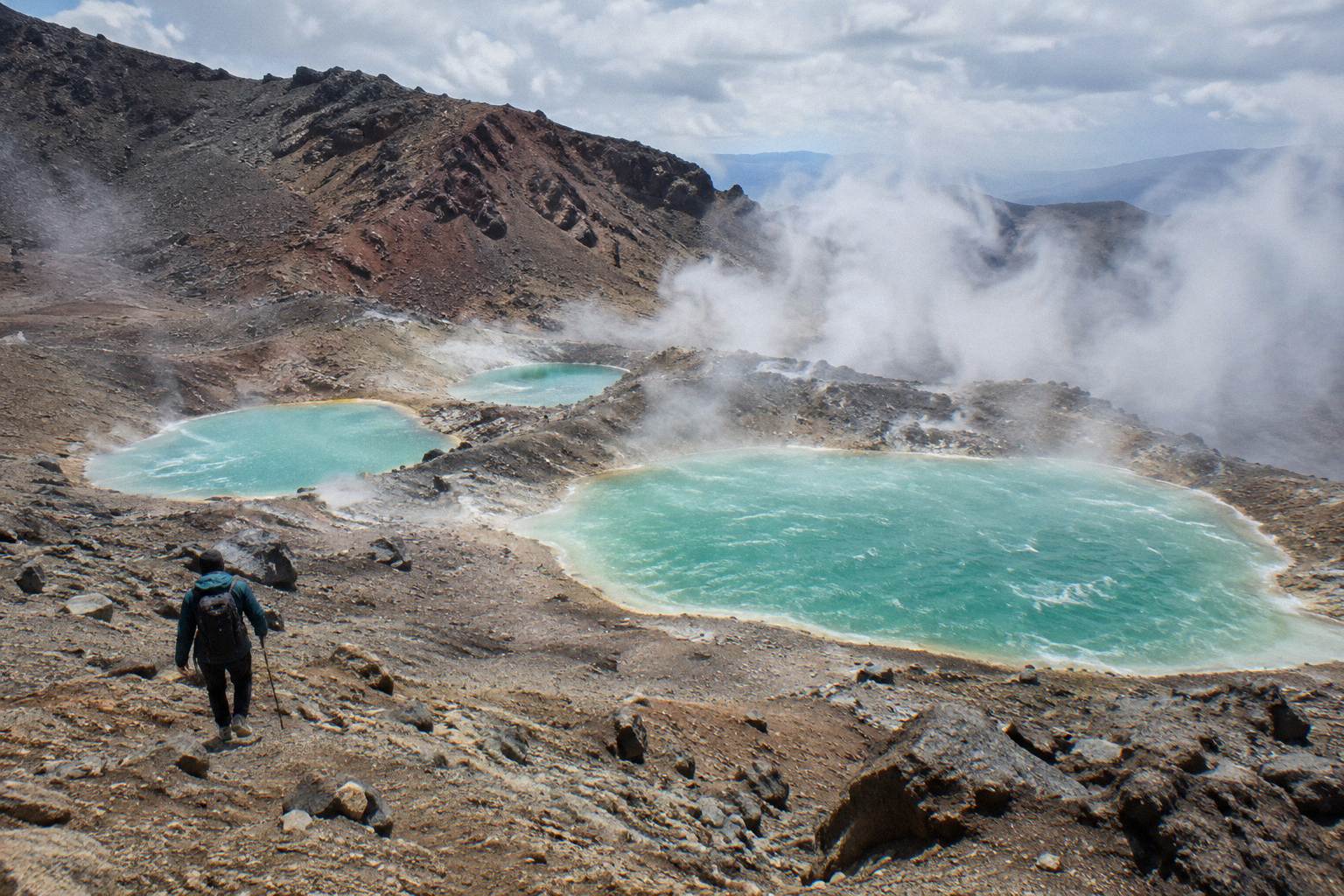
Yes, for most fit walkers the Emerald Lakes are worth the day, and they are the reason the Tongariro Alpine Crossing is famous. The lakes sit just below Red Crater at 1886 m, reached after a 20.2 km one-way track with an elevation change of plus and minus 1196 m, and DOC grades the fitness requirement as High. The colours are genuinely vivid, the volcanic setting is unlike anything else in New Zealand, and the steep scree descent DOC describes puts you right beside them. The honest catch is that the reward depends on weather, season and preparation, and a bad-weather day can hide the lakes completely.
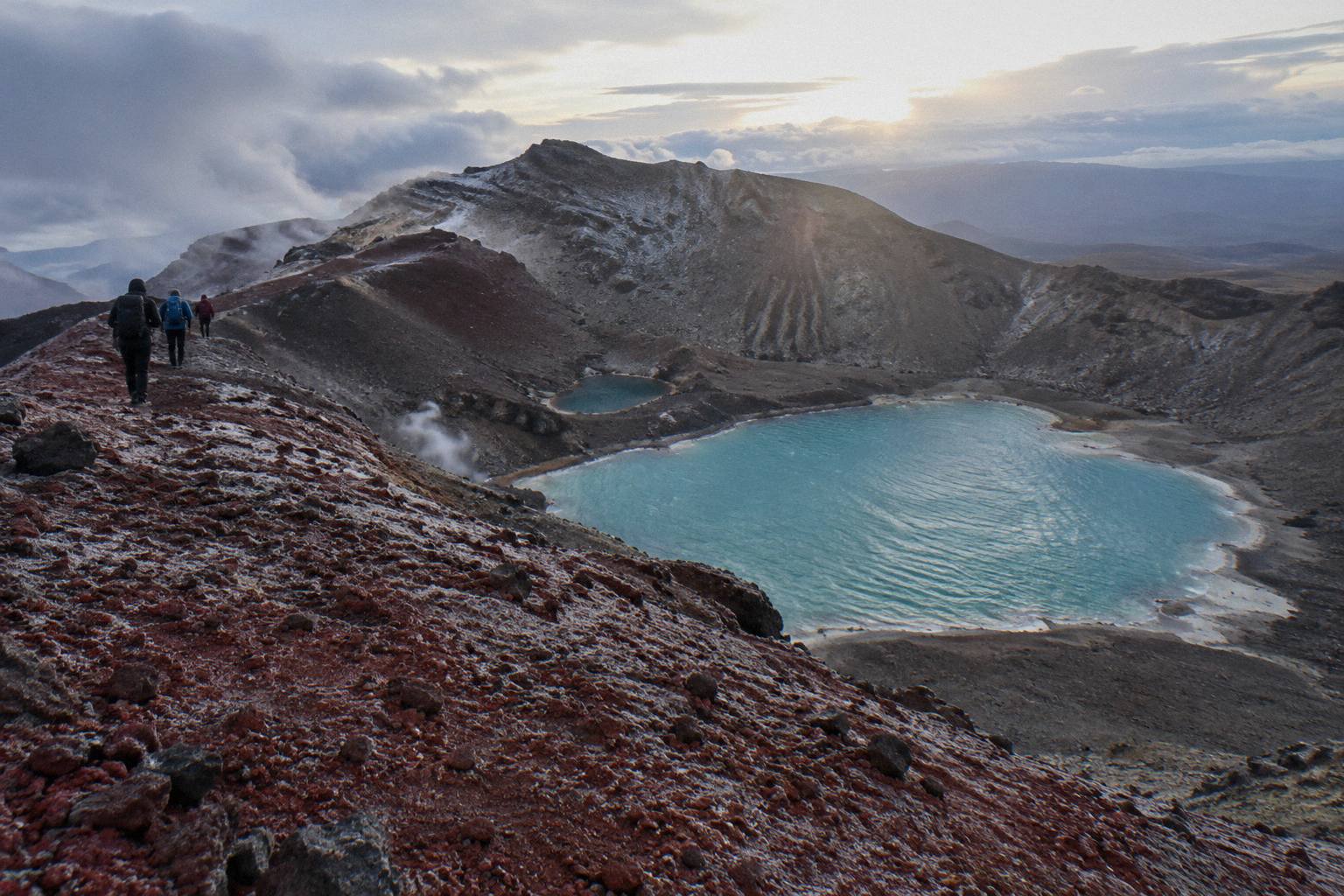
Yes, unambiguously, provided you bring good fitness and a fair-weather window, the day justifies itself many times over. The lakes alone repay the effort, and the walk itself rewards you at every stage, so if conditions align and your legs are willing, this is one hike you should not talk yourself out of. The three lakes, known to Ngati Hikairo ki Tongariro as Nga Rotopounamu, are mineral-coloured pools sitting in the blast zone below Red Crater, and no photograph on the first page of a search result quite prepares you for the contrast between the red crater wall, the white steam vents and that improbable green water. The cost of admission is real: 7 to 8 hours of walking from November to April, 9 hours from May to October, on terrain DOC classes as an intermediate tramping track in summer and an Expert route in winter. Weigh the two honestly and most people decide the day is worth it.
Worth is a balance of three things: what you see, what you spend, and what you endure. The seeing part is settled. DOC's own track description calls the lakes vivid, and the descent from the rim of Red Crater, a steep scorie drop, delivers you from a moonscape of red and black volcanic rock straight onto the shore of the largest lake within minutes. The Blue Lake appears a short distance beyond, and the Central Crater stretches out behind you. On a clear summer morning there is nothing on the North Island that looks like it.
The spending part depends on how you arrive. A self-guided walker using a shuttle pays a modest per-person fare from one of several departure points, while a guided day costs more and buys interpretation, gear for winter conditions and a guide's judgement about the weather. The enduring part is the Devil's Staircase, the South Crater traverse and the Red Crater climb itself, a long ascent from the Mangatepopo start at 1120 m to the 1886 m high point. None of it is technical in summer, all of it is exposed to weather, and DOC is blunt that the track demands High fitness.
There is also a cultural frame that changes how the lakes feel. Kaumatua Te Ngaehe Wanikau asks visitors to respect the maunga tapu, the sacred mountain, by not touching or entering any of the waterways including the alpine lakes. That request is printed on the DOC track page and it means the lakes are something to stand beside and look at, not to swim in or paddle in. Walkers who know this beforehand experience the stop as a quiet one, and that is part of what makes it memorable rather than just scenic.
Adrift Tongariro runs the three guided tours that reach the lakes with a guide alongside, including the Adrift Tongariro premium guided hike from NZ$450 per person, and shuttle-only products such as the Tongariro Crossing Shuttles round trip from National Park Village, from NZ$75 per person, carry self-guided walkers to the same track. Both routes to the lakes are covered below, because the worth question changes with the price.
What Are You Actually Paying For On The Day?
On the day, your money buys two things: access to a 20.2 km one-way alpine track that cannot be shortened, and transport that solves a parking system designed to push you onto a shuttle. In practice, you are paying to cover a fixed one-way distance with no way to cut it short, and to let someone else deal with the parking. From Labour weekend in late October until 30 April, DOC restricts parking at the road ends to a 4 hour maximum, which makes driving the full Crossing impossible and a shuttle the practical default. There is no entry fee for the track itself, and DOC's free booking system is recommended before you go and is needed if you take a shuttle or a guided tour. What the money buys is logistics, not the view.
That framing matters because a lot of the "is it worth it" hesitation is really price confusion. The track is free. The costs are the shuttle, or the guide, or both. Here is how the firm per-person prices on the products that serve the Crossing stack up.
| Product | Type | Departure point | Per-person price | Free cancellation |
|---|---|---|---|---|
| Adrift Tongariro premium guided hike | Guided full Crossing | National Park Village | from NZ$450 | Yes, 14 days |
| Tongariro Crossing Shuttles round trip | Return shuttle | National Park Village | from NZ$75 | Yes, 24 hours |
| Ruapehu Scenic Shuttles Ketetahi park-and-ride | One-way shuttle | Ketetahi car park | from NZ$68 | Yes, 24 hours |
| Dempsey Buses return bus | Return shuttle | National Park Village | from NZ$90 | Yes, 24 hours |
| Tongariro Expeditions shuttle from Taupo or Turangi | Shuttle with transfers | Taupo, Turangi or Ketetahi | from NZ$75 | Yes, 24 hours |
| Backyard Tours mountain shuttle from Turangi | Shuttle | Turangi | from NZ$120 | Yes, 24 hours |
Read that table as a menu of logistics, not quality tiers. The premium guided hike at from NZ$450 includes a guide for the whole 8 to 9 hour day, gear such as crampons and an ice axe if winter conditions require them, and transport from the Adrift base at 53 Carroll Street in National Park Village. Shuttles at a third of the price or less move you between a car park and the track ends and leave the walking, the navigation and the weather judgement entirely with you. Neither is the wrong choice. They answer different versions of the worth question: one asks "is the best possible day worth NZ$450", the other asks "is the view worth NZ$68 plus my own competence".
Is a guided day the safer bet for the money? The Adrift premium guided hike is rated 4.6 across 242 reviews, the most reviewed guided trip here, and it carries free cancellation up to 14 days before, which is a long window for a weather-dependent decision. Bookings can be shifted rather than lost if the forecast turns, and guided operators run only when DOC's advisory and the forecast allow, never against a hazard warning. For a visitor who wants the lakes but is nervous about alpine judgement calls, that cancellation window is part of what the higher fare quietly buys.
How Hard Is The Walk To The Emerald Lakes?
The walk to the Emerald Lakes is genuinely demanding: DOC grades the track as requiring high fitness and rates it as an intermediate tramping track in summer. The numbers behind that are 20.2 km one way with plus and minus 1196 m of elevation change, so expect a long, steep outing rather than a casual stroll. The track starts at Mangatepopo at 1120 m, tops out on Red Crater at 1886 m and finishes near Ketetahi Road at about 760 m, which means you climb hard, crest, and then descend for a long time on tired knees. Walking time is 7 to 8 hours from November to April and 9 hours from May to October. The lakes themselves arrive roughly two thirds of the way through, after the hardest climbing is already behind you.
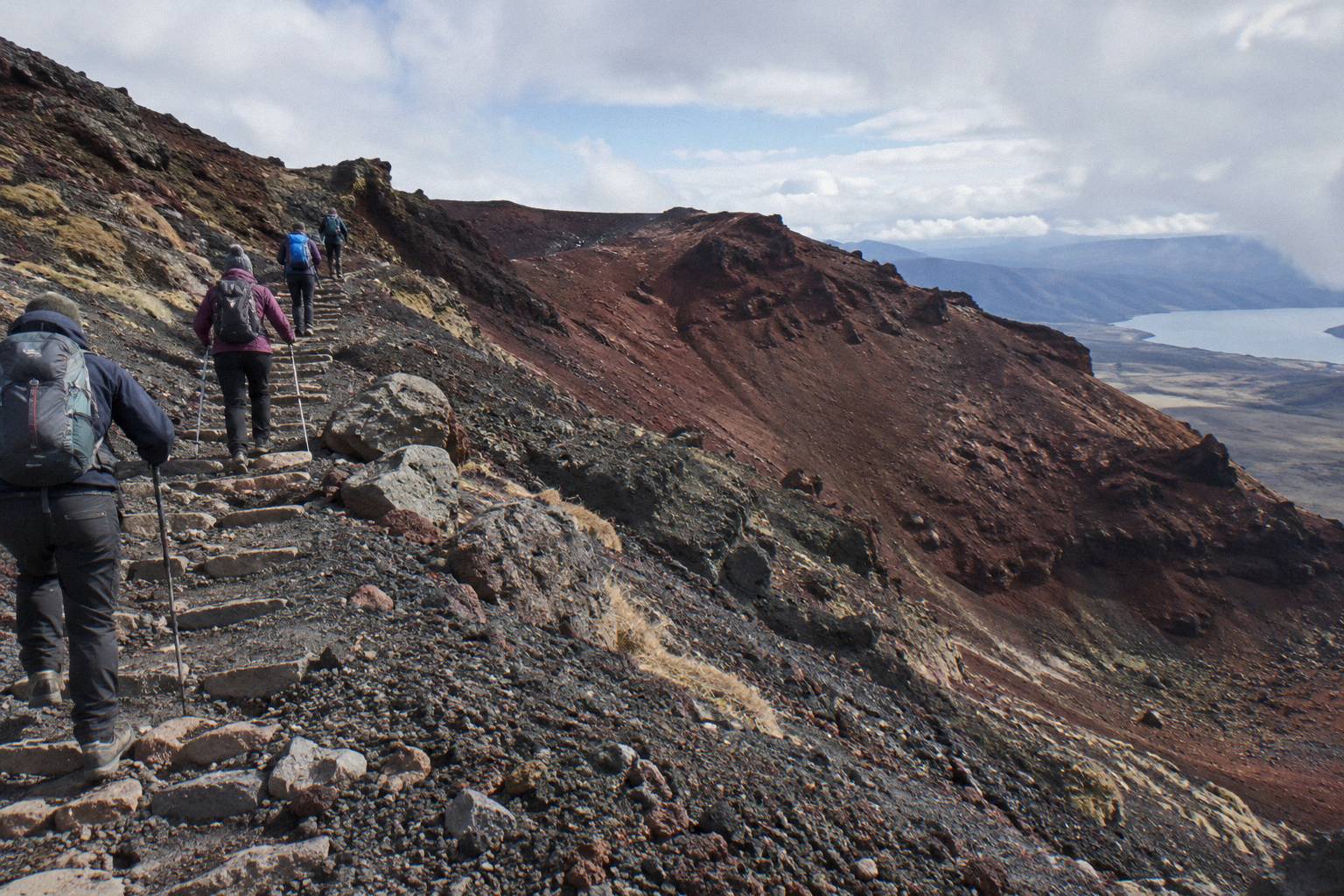
The day breaks into recognisable chunks. The first stretch from Mangatepopo to the base of the Devil's Staircase is gentle and sociable, a wide valley floor on a formed path. The Staircase itself is the part people remember, a relentless stepped climb that gains the bulk of the altitude in a short distance, and it is where unfit legs announce themselves. South Crater then hands you a flat, false-summit reprieve before the final pull up Red Crater, which is loose underfoot and often windy. DOC describes the descent to the lakes as steep scree, and it is: short, grippy if you trust your heels, and over quickly.
What makes the difficulty honest rather than brutal is that nothing on the summer route requires hands or ropes or route-finding skill. It is a well-formed, well-signed, extremely busy track. The fitness question is about endurance and knees, not technique. Walkers who comfortably manage a five to six hour hill walk at home will finish it tired and satisfied rather than broken. Walkers who do not train at all will still finish, slowly, and the 7 to 8 hour DOC band is the reason an early start is standard practice, covered in detail in the sunrise start guide.
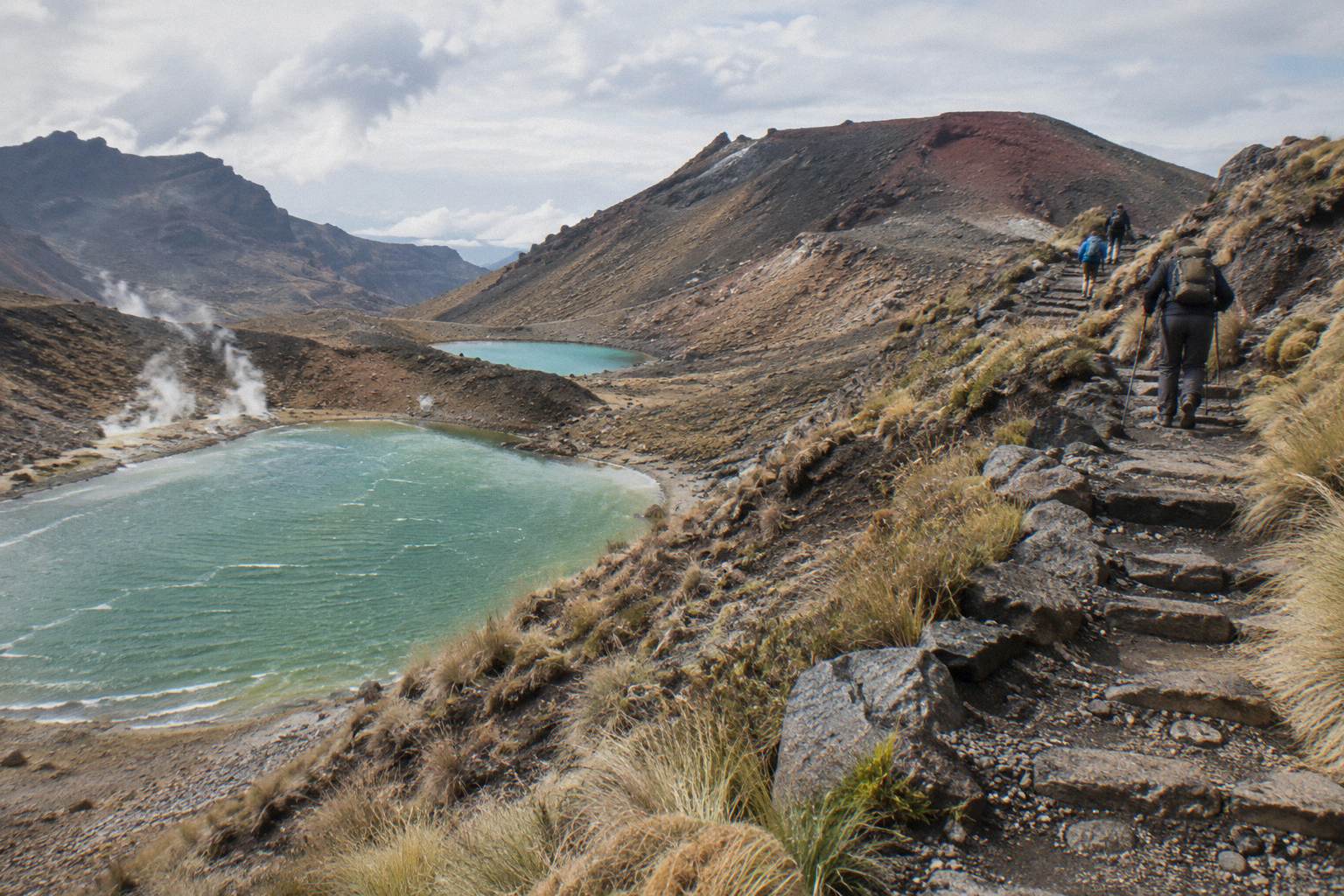
Winter changes the answer completely. From May to October DOC classes the route as Expert: snow, ice, avalanche risk and sub-zero temperatures, with the explicit advice that alpine skills are essential and it is best to go with a guide. The same track that is a hard slog in January is a mountaineering outing in July, and crampons and an ice axe move from optional to mandatory. The worth question in winter is really a competence question, and the honest answer for most visitors is that the lakes are worth a guided winter day, not an independent one. The winter snow guide covers what that season demands.
Shuttle Or Guided For Reaching The Lakes?
A shuttle gets a confident, equipped walker to the track for a fare in the NZ$68 to NZ$120 per-person range on the products with published prices, while a guided tour adds a professional's alpine judgement and gear for roughly three to six times that. Neither includes the view, because the view is free. The choice turns on season, experience and how much of the day you want to own yourself. Adrift Tongariro runs the three guided tours; everything else on the transport side is a shuttle, and a shuttle is never guided.
The shuttle logic is straightforward. You park, you ride, you walk. The six Ketetahi park-and-ride products, including the Ruapehu Scenic Shuttles Ketetahi park-and-ride from NZ$68 per person with free cancellation up to 24 hours before, work on a one-way model: you leave your car at the Ketetahi end, ride to Mangatepopo, and walk the Crossing back to your own vehicle. It is a tidy system that removes the return-leg wait. Round-trip options such as the Dempsey Buses return bus from National Park Village, from NZ$90 per person and rated 4.8 across 72 reviews, suit walkers staying on that side of the park.
The guided logic is equally straightforward but different in kind. A guide reads the weather, sets the pace, carries the group's margin of safety, and on the Adrift tours supplies crampons and an ice axe if winter conditions require them, with a clothing and footwear allowance. Lunch is not included, so bring your own. The Adrift Tongariro premium guided hike departs 53 Carroll Street in National Park Village, and runs 8 to 9 hours as a booked day length, which is the whole outing including transport rather than the walking time alone. Taupo, Turangi and Whakapapa pickups are possible at a surcharge on private trips.
For a private party the arithmetic changes again. The Adrift Tongariro private guided Crossing is a guided walk for your own group only, rated 4.5 across 30 reviews, non-refundable, with the price shown on the booking page rather than quoted here. It suits families or small groups who want the guide without the crowd, though the full-day guided Crossing sets a minimum age of 12 and the premium and private days list their limits on the booking page, while DOC separately advises the track is not recommended for children under 10.
What Can Ruin The Day, And How Do You Avoid It?
The four things that most often wreck an Emerald Lakes day are bad weather, a late start, summer parking rules, and unrealistic footwear. None of them has to end your trip, though, because each one can be avoided with a little planning: check the forecast, arrive early, know the parking restrictions before you drive, and wear proper shoes. Weather is the big one. The track tops out at 1886 m in an alpine environment where conditions are assessed each morning, volcanic alert levels change daily, and DOC, GeoNet, NIWA's Red Crater forecast and MetService's mountain forecast all exist precisely because the mountain makes its own weather. No operator, guided or shuttle, runs against a hazardous-weather warning.
The late start problem compounds quietly. DOC's 7 to 8 hour summer walking band plus shuttle check-in plus the drive to your departure point makes an early start the norm, and walkers who begin the Devil's Staircase in the middle of the day meet the afternoon convection clouds that build over the central plateau. The weather above the lakes guide explains what to watch. Parking is the third trap: the 4 hour maximum at the road ends from Labour weekend to 30 April is DOC policy, not a suggestion, and DOC itself advises booking a shuttle, noting there is no summer parking for Crossing walkers at Mangatepopo and that a private car park operates near Ketetahi.
Footwear and clothing are the fourth. This is a 20.2 km alpine day over scree and stone, and the what to wear guide and the boots question both get their own treatment elsewhere on this site. The short version: trainers survive a dry summer day, boots earn their place on the scree descent to the lakes, and layers are non-negotiable at 1886 m in any month.
A final mistake is planning the day around a swim. The request from Kaumatua Te Ngaehe Wanikau, carried on DOC's track page, asks visitors to respect the sacred mountain by not touching or entering any of the waterways including the alpine lakes. The lakes are a place to stand, look and photograph, and the swimming question is answered fully in its own piece. Walkers who build the stop as a picnic-and-photograph break rather than a dip come away with the better day anyway, because the wind off Red Crater is brisk even in January.
When Are The Lakes Not Worth It?
The lakes stop being worth it in three honest cases: when bad weather pins cloud onto Red Crater and hides the views entirely, when an unfit or under-equipped walker attempts the route in winter conditions, and when a visitor hopes to see the lakes without committing to walking most of the Crossing. There is no road, no chairlift and no shortcut to the lakes. They sit roughly two thirds along a 20.2 km track, and DOC's alternative walks for poor conditions, Taranaki Falls and Tama Lakes, are excellent days but they do not include the Emerald Lakes. If the cloud base is below the crater, the lakes are white, not green, and no amount of sunk-cost walking fixes that.
That is why the free cancellation windows on the bookable products matter as much as the prices. The Adrift guided tours cancel free up to 14 days before, most shuttles up to 24 hours before, and the booking page shows the terms for anything else. A weather window in the central plateau can be judged days ahead using NIWA and MetService, so the smart pattern is to book a refundable option early, watch the forecast from a base in National Park Village or Taupo, and shift the day if the mountain says no. Walkers who commit to one immovable date in a short trip are the ones most likely to answer the worth question with a shrug into the fog.
Season shapes the verdict too. The best month question has a full treatment, but the short version is that the busy summer season trades crowds for the intermediate rating and longer daylight, while the quieter shoulder and winter months trade access risk for solitude. DOC notes winter daylight is short, 9 to 11 hours, and shuttle buses generally do not operate from May to late October, while guided trips include transport. For most travellers, the worth calculation lands in the November to April window with a shuttle or guide booked ahead.
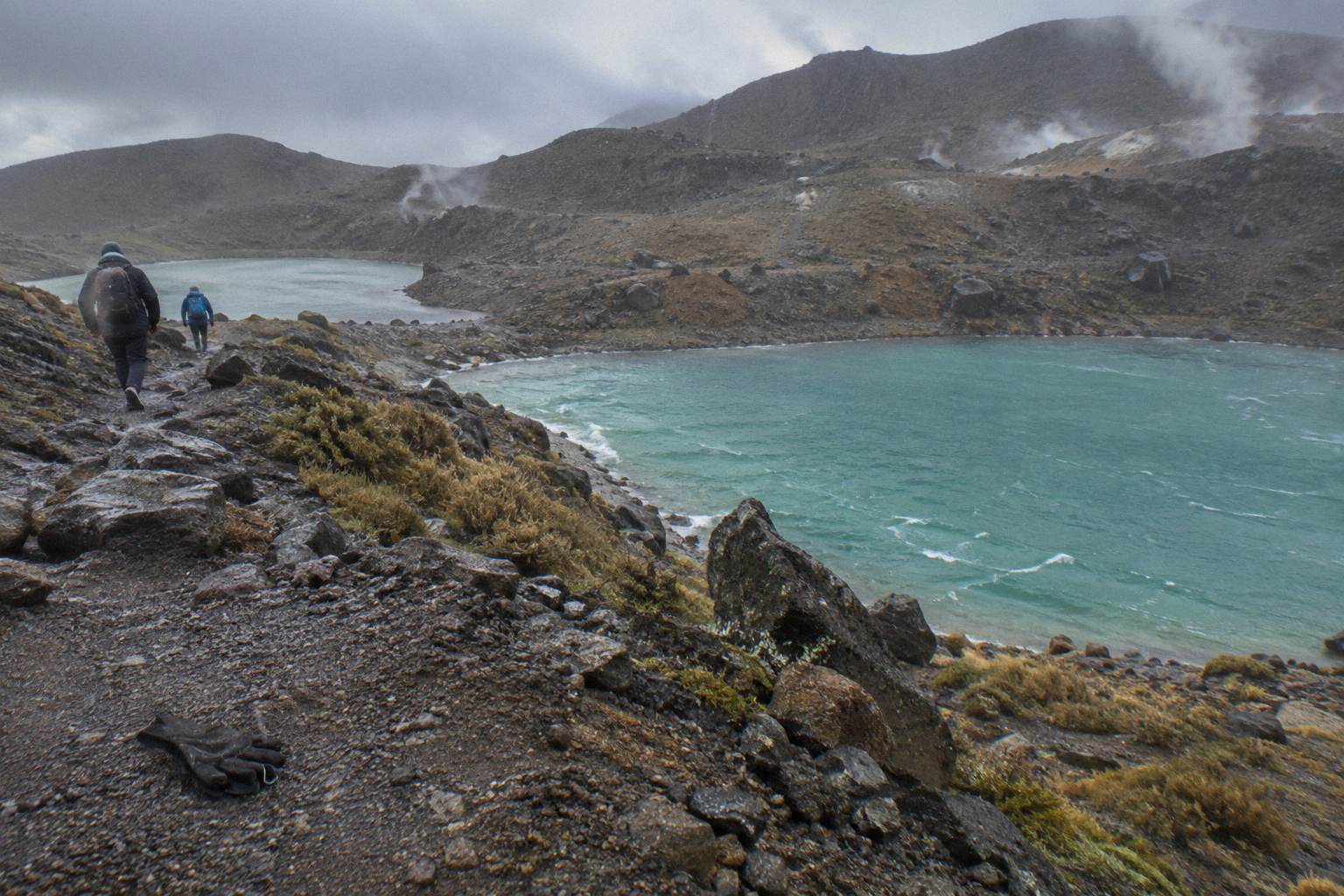
So, is it worth it? This site, Tongariro Emerald Lakes Hike, exists because for the overwhelming majority of walkers who reach 1886 m on a reasonable day, the answer is a clear yes: the lakes are the finest half hour of the finest day walk in the country. The worth is conditional on fitness, weather honesty and a booked shuttle or guide, and every one of those conditions is something you can control before the day begins.
Common Questions About The Emerald Lakes
Is It Worth Hiking To The Emerald Lakes?
For most fit walkers, yes. The lakes are vivid, sit in a dramatic volcanic setting just below Red Crater at 1886 m, and are the highlight of a 20.2 km day that DOC grades High fitness, 7 to 8 hours of walking from November to April. The answer flips to no only when cloud covers the crater or an under-equipped walker attempts the winter route without a guide.
How Long Does The Walk To The Emerald Lakes Take?
DOC gives 7 to 8 hours for the full Crossing from November to April and 9 hours from May to October. The lakes sit roughly two thirds of the way along the 20.2 km track, so most walkers reach them after about five hours from the Mangatepopo start.
Can You Swim In The Emerald Lakes?
No. Kaumatua Te Ngaehe Wanikau asks visitors to respect the maunga tapu by not touching or entering any of the waterways including the alpine lakes, and DOC carries that request on its track page. Enjoy them from the shore.
Do You Need A Guide To See The Emerald Lakes?
In summer, no: the track is well formed and well signed, and a shuttle such as the Ruapehu Scenic Shuttles Ketetahi park-and-ride from NZ$68 per person covers the logistics. In winter, from May to October, DOC classes the route Expert, says alpine skills are essential, and recommends going with a guide.
Is There A Shorter Walk That Reaches The Emerald Lakes?
No road or side track reaches the lakes. They sit about two thirds along the one-way 20.2 km Crossing, so seeing them means walking most of it. If conditions are poor, DOC suggests Taranaki Falls or Tama Lakes as alternative walks, though neither includes the lakes.
Do You Have To Pay To Hike To The Emerald Lakes?
The track itself has no entry fee, and DOC's booking system is free and recommended before you go. What you pay for is transport or a guide: one-way shuttles start from NZ$68 per person, return shuttles from NZ$75, and the Adrift Tongariro premium guided hike is from NZ$450 per person.